The penalty for begging in Saudi Arabia: 6 months imprisonment and a fine of 50,000 riyals

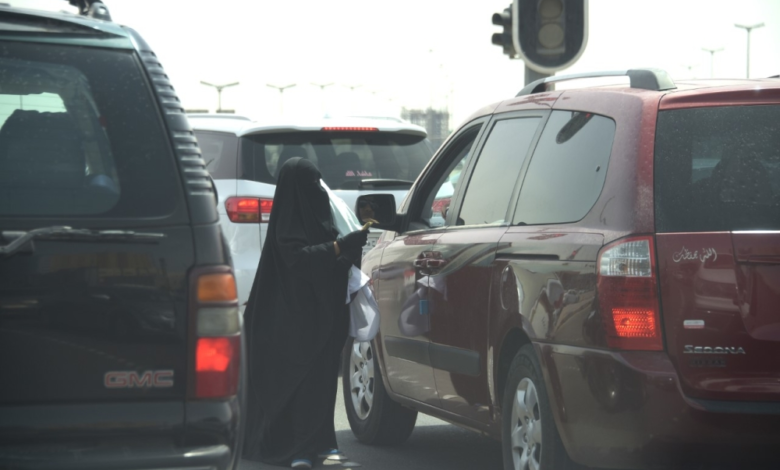
Saudi Arabia's Public Security Directorate has reiterated its strict warnings against begging, emphasizing its determination to enforce legal penalties against anyone who engages in this practice or contributes to its spread. This step comes as part of the Ministry of Interior's ongoing efforts to eliminate negative phenomena that affect the civilized image of society and threaten social security.
Details of the penalty for begging and inciting begging
Public security, through its awareness campaigns under the hashtags "#Don'tGiveThem" and "#TogetherWeFightBegging," clarified that the system does not tolerate violators. The prescribed penalties include:
- Imprisonment: up to 6 months.
- Financial penalty: An amount of up to 50,000 Saudi Riyals.
- Combining the two penalties: Imprisonment and a fine can be applied together, depending on the assessment of the judicial authorities and the extent of the violation.
These penalties are not limited to the direct beggar, but extend to include anyone who incites, agrees with, or helps in any way to engage in begging, thus closing the door to gangs that exploit individuals, especially children, in these practices.
The legal and social context for combating begging
These measures are based on the anti-begging law approved by the Saudi Cabinet, which aims to protect society from the security and economic risks associated with begging. The Kingdom considers begging not merely a matter of financial need, but often linked to organized practices that may fund illicit activities or exploit vulnerable groups.
Historically, Saudi Arabia has worked to regulate charitable work to ensure that aid reaches those who deserve it. Reliable official platforms such as “Ihsan” and “Farajat” have been launched to cut off the path for beggars who practice fraud, and to direct zakat and charity funds to their correct legitimate and systematic channels.
The importance of reporting and the role of the community
Public security officials emphasized the crucial role of citizens and residents in combating this phenomenon by urging them not to sympathize with beggars in the streets and public places, and to promptly report them. Security authorities have designated unified numbers for receiving reports with complete confidentiality
- Number 911: For the regions of Mecca, Medina, Riyadh, and the Eastern Province.
- Number 999: For the rest of the Kingdom's regions.
Adherence to these instructions enhances community security and contributes to eliminating the exploitation of children and women in organized begging networks, reflecting the bright, civilized image of the Kingdom.