Al-Qurayyat is 2 degrees Celsius colder... Details of today's weather in Saudi Arabia and dust warnings

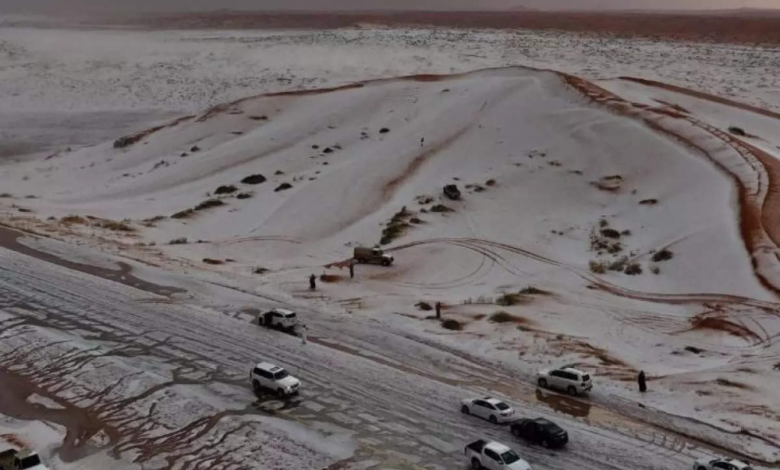
Saudi Arabia experienced a significant drop in temperatures on Wednesday, December 31st, with Al-Qurayyat recording the lowest temperature at just 2 degrees Celsius, according to the National Center for Meteorology. This decrease is part of a cold wave affecting the northern and central parts of the Kingdom. Tabuk and Tarif came in second place, recording 3 degrees Celsius, reflecting the harsh winter conditions currently prevailing in the northern regions.
According to the center's statement, minimum temperatures were similar in several other cities, with Abha, Rafha, Hafr al-Batin, Arar, Sakaka, and Hail all recording 4 degrees Celsius, while Taif recorded 5 degrees Celsius, and Riyadh and Khamis Mushait reached 6 degrees Celsius. These temperatures indicate the dominance of a cold air mass over vast areas of the Kingdom, a common occurrence at this time of year, which coincides with the peak of winter astronomically.
Regarding the accompanying weather phenomena, the meteorological report included not only temperature readings but also significant warnings about surface wind activity. Horizontal visibility is expected to be noticeably reduced due to strong winds stirring up dust and sand. The areas affected by this weather system include large parts of Mecca, Riyadh, Medina, Qassim, and Hail, as well as Tabuk, Al-Jawf, the Northern Borders region, the Eastern Province, and Najran. These effects also extend to the eastern parts of the southwestern highlands of the Kingdom.
Climatically and geographically, the northern regions of the Kingdom, such as Al-Qurayyat, Tarif, and Tabuk, are the primary gateway for cold air masses arriving from the north of the continent and the northern Mediterranean, consistently recording the lowest temperatures compared to other regions. This temperature variation between the north, central, and southern regions reflects the Kingdom's significant geographical diversity, where topography plays a pivotal role in shaping weather patterns, particularly in the southern highlands, which combine cold temperatures with active winds.
Due to these weather fluctuations, authorities have urged drivers and users of highways and open roads to exercise extreme caution, especially in areas experiencing reduced horizontal visibility due to dust. Those with respiratory conditions and asthma are advised to avoid direct exposure to dusty air and to follow the latest weather updates issued by the National Center of Meteorology to ensure public safety and avoid any risks that may arise from this unstable weather situation.