كشفت الهيئة العامة للعناية بشؤون المسجد الحرام والمسجد النبوي عن أرقام ومؤشرات حيوية تعكس التطور الكبير في منظومة إدارة الحشود، حيث أظهرت نتائج التجربة الميدانية لضيف الرحمن خلال شهر جمادى الآخرة 1447هـ، أن متوسط الزمن المستغرق لأداء مناسك العمرة كاملاً بلغ 117 دقيقة فقط. وتأتي هذه النتائج كمحصلة للخطط التشغيلية المحكمة التي تهدف إلى تيسير رحلة المعتمر منذ وصوله إلى الساحات وحتى الانتهاء من المناسك.
تفاصيل رحلة المعتمر بالأرقام
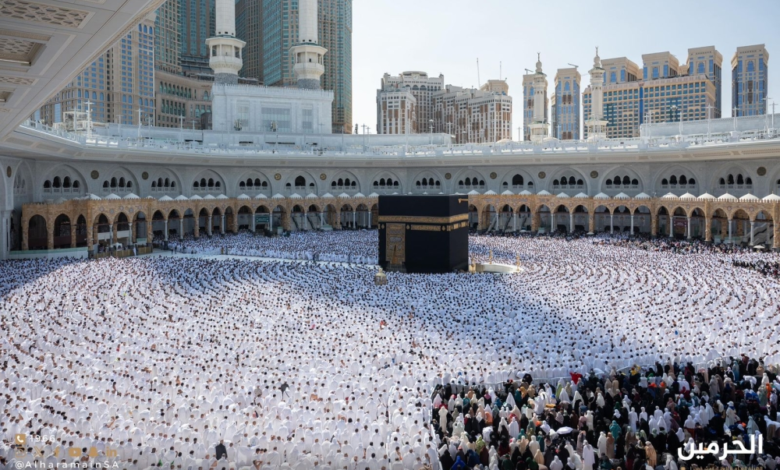
أوضحت البيانات التفصيلية أن الغالبية العظمى من المعتمرين، بنسبة وصلت إلى 94%، تمكنوا من أداء شعيرة الطواف في صحن المطاف، وهو ما يعكس نجاح خطط التفويج وإدارة الكثافات في المنطقة المركزية للكعبة المشرفة. وقد بلغ متوسط مدة الطواف حوالي 46 دقيقة، مما يشير إلى انسيابية عالية في الحركة رغم الأعداد الكبيرة.
وفيما يخص شعيرة السعي، سجلت الإحصائيات متوسطاً زمنياً قدره 51 دقيقة، حيث فضل 64% من المعتمرين أداء السعي في الدور الأرضي. كما أظهرت مؤشرات الربط المكاني كفاءة عالية، إذ لم يتجاوز زمن الانتقال من الساحات الخارجية إلى المطاف 10 دقائق، ومثلها للانتقال من المطاف إلى المسعى، مما يؤكد فعالية التصميم الهندسي والتشغيلي للمسارات.
سياق التطوير ومستهدفات رؤية 2030
لا يمكن قراءة هذه الأرقام بمعزل عن السياق العام للجهود التي تبذلها المملكة العربية السعودية في خدمة ضيوف الرحمن. فهذه المعدلات الزمنية القياسية تأتي ثمرة لمشاريع التوسعة السعودية الثالثة وتطوير البنية التحتية للمسجد الحرام، والتي هدفت بشكل رئيسي إلى استيعاب الزيادة المطردة في أعداد المعتمرين بما يتماشى مع مستهدفات رؤية المملكة 2030، الرامية إلى استضافة 30 مليون معتمر سنوياً.
التقنية وإدارة الحشود
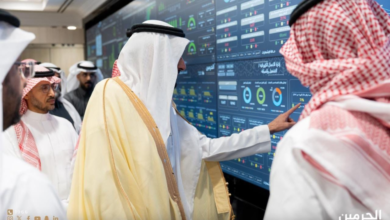
يعكس انخفاض متوسط زمن الرحلة إلى أقل من ساعتين نجاح توظيف التقنيات الحديثة والذكاء الاصطناعي في إدارة الحشود. حيث تعتمد الهيئة والجهات الأمنية المساندة على أنظمة مراقبة متطورة لتحليل تدفقات الحركة وتوجيه المصلين والمعتمرين إلى الأدوار والمسارات الأقل ازدحاماً بشكل فوري، مما يساهم في تقليل نقاط الاختناق وتوزيع الكثافات بشكل متوازن بين أدوار المسجد الحرام المختلفة.
الأثر على تجربة ضيف الرحمن
إن تقليص المدة الزمنية اللازمة للتنقل وأداء المناسك لا يعني فقط سرعة الإنجاز، بل ينعكس إيجاباً على الجانب الروحي والصحي للمعتمر. فسهولة الحركة تقلل من الإجهاد البدني، مما يتيح للزوار التركيز بشكل أكبر على الخشوع والدعاء، ويضمن أداء المناسك بطمأنينة ويسر، وهو الهدف الأسمى الذي تسعى إليه كافة الجهات العاملة في الحرمين الشريفين.