
قرار سيادي لحماية المواطنين في ظل التوترات الإقليمية
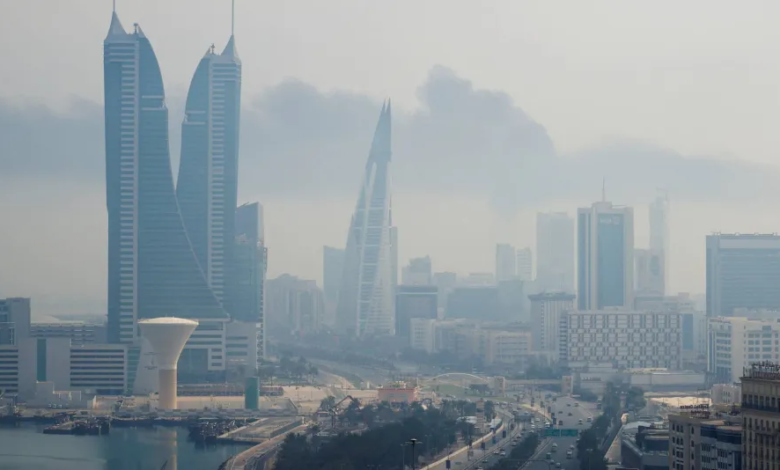
في خطوة تعكس حرصها على سلامة مواطنيها، أعلنت مملكة البحرين منع سفر مواطنيها إلى إيران والعراق بشكل قاطع حتى إشعار آخر. ويأتي هذا القرار في سياق التوترات المتصاعدة والظروف الأمنية غير المستقرة التي تشهدها المنطقة، حيث دعت وزارة الخارجية البحرينية كافة المواطنين المتواجدين في البلدين إلى ضرورة المغادرة الفورية، توخياً للحذر وتجنباً لأي مخاطر قد تهدد سلامتهم.
لم يأتِ هذا الإجراء من فراغ، بل هو حلقة في سلسلة من المواقف السياسية والأمنية التي تشكلت على مدى سنوات. فالعلاقات بين البحرين وإيران تتسم بالتوتر التاريخي، حيث تتهم المنامة طهران بالتدخل المستمر في شؤونها الداخلية ودعم جماعات تهدف إلى زعزعة استقرار المملكة. هذا التوتر الدبلوماسي يترجم بشكل مباشر إلى مخاوف أمنية على المواطنين البحرينيين الذين قد يتواجدون على الأراضي الإيرانية، مما يجعل قرار الحظر خطوة استباقية ضرورية من وجهة نظر السلطات البحرينية.
لماذا البحرين تمنع سفر مواطنيها إلى إيران والعراق؟
تستند دوافع القرار إلى تقييم شامل للمشهد الأمني في كل من العراق وإيران. فالعراق، على الرغم من الجهود الحكومية لإعادة الاستقرار، لا يزال يعاني من تحديات أمنية كبيرة وانتشار جماعات مسلحة خارجة عن سيطرة الدولة، مما يجعله بيئة عالية المخاطر للزوار الأجانب. أما إيران، فإلى جانب الخلافات السياسية العميقة، فإن المناخ العام قد يكون غير مضياف لمواطني الدول التي لديها خلافات مع النظام الإيراني، مما يزيد من احتمالية تعرضهم لمضايقات أو مخاطر غير متوقعة.
التأثيرات المتوقعة للقرار على المستوى المحلي والإقليمي
على الصعيد المحلي، يؤثر القرار بشكل مباشر على المواطنين البحرينيين، خاصة أولئك الذين لديهم روابط عائلية أو تجارية أو دينية تدفعهم لزيارة هذين البلدين، لا سيما الزيارات الدينية للمراقد المقدسة في العراق وإيران. ومع ذلك، تؤكد الحكومة أن الأولوية القصوى هي لسلامة الأرواح، وأن هذا الإجراء مؤقت ومرتبط بتحسن الأوضاع. أما إقليمياً، فيُقرأ القرار على أنه رسالة سياسية واضحة وتأكيد على اصطفاف البحرين ضمن محورها الخليجي في مواجهة النفوذ الإيراني، ويعزز من حالة العزلة الدبلوماسية المفروضة على طهران من قبل جيرانها. ويُظهر القرار مدى تأثير الجغرافيا السياسية على حرية حركة الأفراد، حيث تصبح القرارات السيادية المتعلقة بالسفر أداة من أدوات السياسة الخارجية للدول لحماية مصالحها ورعاياها في عالم متغير ومضطرب.