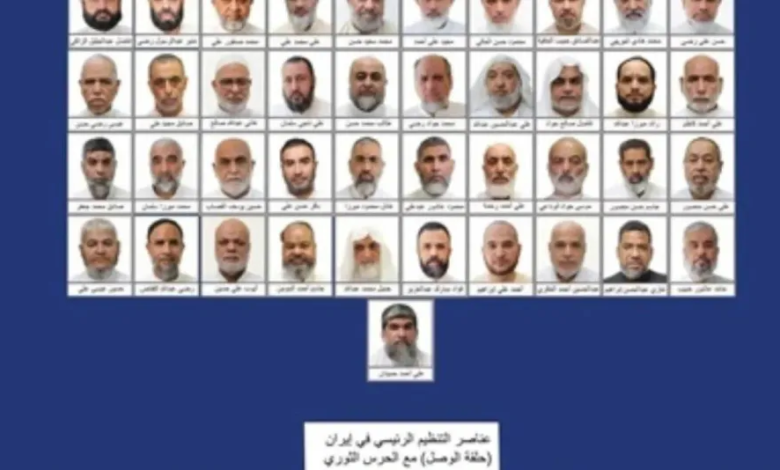

أعلنت السلطات البحرينية أن التحقيقات الجارية مع عدد من الموقوفين كشفت عن تورطهم في جرائم خطيرة تمس الأمن الوطني، مؤكدةً وجود صلات مباشرة بينهم وبين الحرس الثوري الإيراني. وتأتي هذه التصريحات لتسلط الضوء مجدداً على التوترات المستمرة في المنطقة، حيث تتهم المنامة طهران بالسعي لزعزعة استقرارها عبر دعم خلايا وشبكات تخريبية. التحقيقات، بحسب المصادر الرسمية، قدمت أدلة مادية على تلقي هؤلاء الأفراد تدريبات وتمويلات وتوجيهات من جهات تابعة للحرس الثوري بهدف تنفيذ عمليات عدائية داخل المملكة، مما يشكل تهديداً مباشراً لسيادة البحرين وأمن مواطنيها.
تستند هذه الاتهامات إلى سياق تاريخي طويل من العلاقات المتوترة بين مملكة البحرين والجمهورية الإسلامية الإيرانية، خاصة بعد عام 2011. ولطالما اتهمت البحرين، مدعومة بحلفائها في مجلس التعاون الخليجي والولايات المتحدة، إيران بالتدخل في شؤونها الداخلية عبر استغلال الانقسامات الطائفية ودعم جماعات معارضة متطرفة. وتنظر المنامة إلى الحرس الثوري الإيراني، وتحديداً فيلق القدس التابع له، باعتباره الأداة الرئيسية لتنفيذ أجندة طهران التوسعية في المنطقة، عبر شبكة من الوكلاء والجماعات المسلحة في دول عربية مختلفة.
مخططات تخريبية وتداعيات إقليمية لوجود عناصر الحرس الثوري في البحرين
تكمن أهمية هذه الإعلانات في أنها تقدم ما تعتبره البحرين دليلاً ملموساً على التدخل الإيراني المباشر، متجاوزةً مرحلة الاتهامات العامة. إن ربط الموقوفين بشكل مباشر بالحرس الثوري يرفع من مستوى الخطورة، حيث يصنف العديد من الدول الغربية والعربية هذا الكيان كمنظمة إرهابية. ومن المتوقع أن يكون لهذه التطورات تداعيات كبيرة على الصعيدين المحلي والإقليمي. فعلى المستوى المحلي، تعزز هذه النتائج من الإجراءات الأمنية المشددة التي تتخذها الحكومة لمواجهة ما تصفه بالتهديدات الإرهابية المدعومة من الخارج.
أما على الصعيد الإقليمي والدولي، فإن هذه التحقيقات قد تستخدمها البحرين لحشد المزيد من الدعم الدبلوماسي من حلفائها لإدانة السلوك الإيراني وفرض ضغوط أكبر على طهران. كما أنها تعقد أي جهود محتملة لتهدئة التوترات في الخليج، وتؤكد على استمرار حالة انعدام الثقة العميق بين إيران وجيرانها العرب. وتبرز هذه القضية مجدداً الدور المحوري الذي تلعبه البحرين كخط مواجهة في الصراع الجيوسياسي الأوسع بين المحور الذي تقوده المملكة العربية السعودية وإيران، مما يجعل أمنها واستقرارها قضية ذات أهمية استراتيجية للمنطقة بأكملها.