Targeting fuel tanks in Muharraq: The repercussions of Iranian intervention

Details of the targeting of fuel tanks in Muharraq
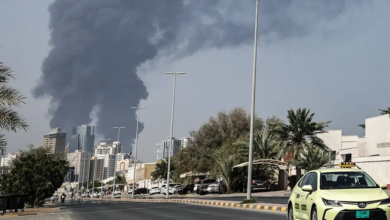
The Kingdom of Bahrain witnessed a serious security development following the announcement by relevant authorities that fuel tanks at a vital facility in Muharraq Governorate had been directly targeted. The incident has been attributed to Iranian aggression, reflecting the ongoing security and political tensions in the region. This attack comes at a sensitive time, as the Gulf Cooperation Council (GCC) states strive to bolster their stability and protect their infrastructure from any external threats that could hinder their economic development. Targeting an energy facility in a strategic area like Muharraq not only constitutes an attack on Bahrain's sovereignty but also a clear threat to regional security.
Historical background of Iranian interventions in Bahrain
To understand the dimensions of this incident, it is necessary to consider the broader context and historical background of Bahraini-Iranian relations. Over the past decades, relations between Manama and Tehran have been marked by persistent tensions, with Bahrain and other Gulf Cooperation Council (GCC) states accusing Iran of continuous interference in the internal affairs of regional countries and of supporting armed groups seeking to destabilize the region. Historically, this is not the first time Bahrain's energy infrastructure has been targeted by sabotage attempts. In 2017, an explosion targeted a Bapco oil pipeline in the Buri area, an incident which Bahraini investigations at the time confirmed was linked to terrorist cells receiving training and support from the Iranian Revolutionary Guard. These recurring incidents underscore the existence of a systematic strategy to target the Kingdom's economic resources.
Local repercussions and targeting of infrastructure
This event is of paramount importance and has multifaceted implications. Locally, the severity of the attack is underscored by its targeting of Muharraq Governorate, one of Bahrain's most vital governorates, home to Bahrain International Airport and other critical infrastructure. Tampering with fuel storage tanks threatens environmental and economic disasters, as well as endangering the lives of civilians and workers at these facilities. However, Bahraini security forces and civil defense teams have demonstrated remarkable efficiency in managing such crises, responding swiftly and containing the incident's repercussions to prevent further damage and ensure the continued uninterrupted supply of energy.
Regional and international impact on energy security
Regionally and internationally, the impact of this attack extends far beyond the borders of the Kingdom of Bahrain. The Arabian Gulf region is the main artery of global energy supplies, and any threat to its oil installations or fuel storage facilities directly impacts the stability of global energy markets. Therefore, the Gulf Cooperation Council (GCC) states consistently stand united with Bahrain, affirming that the Kingdom's security is an integral part of the security of the entire Gulf region. Internationally, these attacks have raised widespread concern within the international community, particularly among the United States, which has its Fifth Fleet based in Bahrain, making Bahrain's security an international strategic interest. These developments call upon the international community to adopt a firmer stance against Iranian interference and to work towards securing vital waterways and energy infrastructure in the Middle East.