
مقدمة: التحول الرقمي في خدمة ضيوف الرحمن
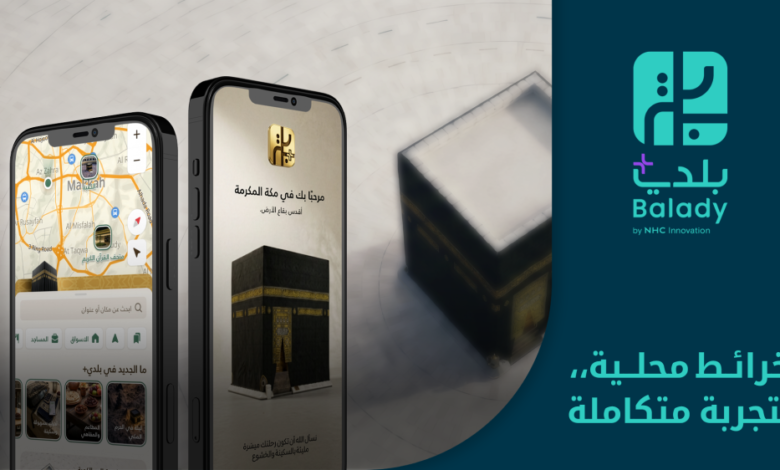
في خطوة استراتيجية تعكس التزام المملكة العربية السعودية بتسخير أحدث التقنيات لخدمة ضيوف الرحمن، أعلنت منصة “بلدي+” عن تنفيذ حزمة واسعة من التحديثات الرقمية والمكانية في مكة المكرمة والمشاعر المقدسة. تأتي هذه الاستعدادات المكثفة لموسم حج 1447هـ، حيث شملت تحديث أكثر من 11.8 ألف معلم وموقع حيوي. يهدف هذا المشروع الضخم إلى تسهيل تنقل الحجاج ورفع كفاءة إدارة الحشود خلال الموسم، مما يمثل نقلة نوعية في إدارة أضخم تجمع بشري سنوي في العالم.
السياق التاريخي وتوافق المشروع مع رؤية المملكة 2030
تاريخياً، أولت القيادة السعودية اهتماماً بالغاً بتطوير البنية التحتية لمكة المكرمة والمشاعر المقدسة. ومع إطلاق رؤية السعودية 2030، وتحديداً “برنامج خدمة ضيوف الرحمن”، تحول التركيز نحو رقمنة الخدمات وتوفير تجربة سلسة وميسرة للحجاج والمعتمرين. إن تحديث هذا العدد الهائل من المواقع عبر منصة “بلدي+” لا يعد مجرد إجراء تقني، بل هو امتداد لإرث تاريخي طويل من الرعاية، مدعوماً اليوم بأدوات الذكاء الاصطناعي والبيانات الضخمة لتحقيق أعلى معايير الجودة والسلامة.
شراكات استراتيجية وتحديثات مكانية دقيقة
نُفذت هذه الأعمال الرائدة بالتعاون الوثيق مع الهيئة الملكية لمدينة مكة المكرمة والمشاعر المقدسة. وقد تضمنت الجهود المشتركة تدقيق وتحديث البيانات المكانية للمواقع والمعالم الحيوية داخل مكة والمشاعر. هذا التحديث الدقيق يدعم بشكل مباشر تحسين تجربة الوصول والتنقل، ويرفع من كفاءة الخدمات المقدمة للحجاج، مما يقلل من نسب الضياع أو التأخير في الوصول إلى الوجهات المطلوبة.
خرائط رقمية متطورة ومسارات نقل ترددية
على صعيد النقل، طورت “بلدي+” خدمات الخرائط الرقمية من خلال رصد وتحديث مسارات النقل الترددي بإجمالي يتجاوز 990 كيلومتراً. ولم تكتفِ المنصة بذلك، بل وفرت بيانات لحظية لجداول وسائل النقل، مما يمكن الحجاج من تخطيط رحلاتهم والوصول إلى وجهاتهم بسهولة وكفاءة. كما أطلقت المنصة تجربة تفاعلية ثلاثية الأبعاد لمداخل ومخارج المسجد الحرام، ومسارات المشاة، وجسر الجمرات، مما يسهم في دعم سهولة التنقل وتحسين تجربة الوصول داخل المشاعر المقدسة قبل وأثناء أداء المناسك.
تعزيز الصحة والسلامة وإدارة الحشود
لضمان سلامة الحجاج، شملت التحديثات مراجعة وتحديث مواقع المستشفيات، والمراكز الصحية، ومحطات الهلال الأحمر، والمرافق العامة. كما تم ربط مخيمات الحجاج ببيانات الحملات المعتمدة لتسهيل الوصول إليها عبر أسرع المسارات المتاحة. وتوفر الخرائط الرقمية تحديثات لحظية لحالات الطرق والتحويلات المرورية، وربطها بغرف التحكم لدى الجهات الشريكة، لدعم سرعة الاستجابة، واستباق الازدحام، وتعزيز كفاءة إدارة الحركة والحشود في المواقع ذات الكثافة العالية.
الخدمات البلدية والرقابة الميدانية
في جانب الخدمات البلدية، أتاحت المنصة إصدار التصاريح الموسمية للمنافذ المؤقتة، وطلبات إسكان الحجاج، والشهادات الصحية. وإلى جانب ذلك، تم تعزيز أعمال الرقابة الميدانية عبر منصتَي “ممتثل” و”عدسة بلدي”، بالشراكة مع أمانة العاصمة المقدسة، بما يسهم في رفع الامتثال وتحسين جودة الخدمات المقدمة خلال الموسم.
التأثير المحلي والدولي ومستقبل المدن الذكية
أكد الرئيس التنفيذي لـ “بلدي+”، ياسر العبيدان، أن العمل مستمر لتوفير بيانات مكانية دقيقة ومحدثة بشكل لحظي، لتمكين ضيوف الرحمن من الوصول إلى الخدمات والتنقل بكفاءة عالية خلال موسم الحج، ضمن منظومة تكاملية مع الجهات الشريكة. وأضاف أن هذه الجهود تأتي ضمن مستهدفات تطوير المدن الذكية والتحول الرقمي للخدمات البلدية، من خلال توظيف البيانات المكانية والتقنيات الحديثة والذكاء الاصطناعي. إن هذا التطور ينعكس إيجاباً على الصعيد المحلي بتحسين البنية التحتية، وعلى الصعيدين الإقليمي والدولي بتقديم نموذج سعودي رائد ومبتكر في إدارة الحشود، مما يرفع جودة تجربة ضيوف الرحمن القادمين من شتى بقاع الأرض.