Associations banned from filming in the Two Holy Mosques: Details of a decision affecting 7,498 entities

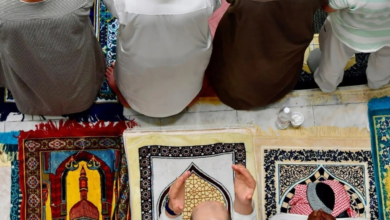
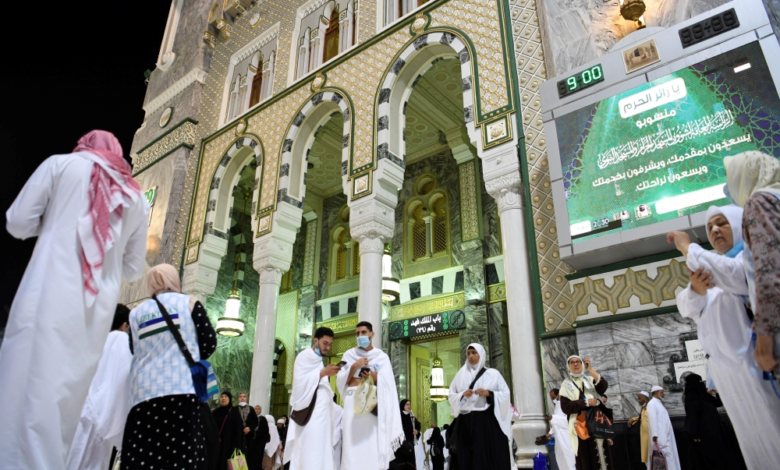
The National Center for the Development of the Non-Profit Sector issued strict and binding directives to all associations, civil institutions, and family funds, prohibiting their members from taking photographs inside the Two Holy Mosques or exploiting their sacred religious symbols in any media or promotional activities. This is an organizational step aimed at enhancing the sanctity of the place and ensuring the smooth movement of the pilgrims.
Details of the decision and the rationale for the ban
The circular issued by the center prohibits the use of the name or images of the Two Holy Mosques, particularly the Kaaba , in any advertising or marketing materials belonging to non-profit organizations. The decision also prohibits the use of images of employees of the General Authority for the Care of the Grand Mosque and the Prophet's Mosque, or highlighting the services provided by the Authority. This is to prevent any overlap in responsibilities or any suggestion that these associations are performing operational or organizational roles within the Two Holy Mosques, which are sovereign functions falling exclusively under the jurisdiction of the relevant government body.
Enhancing the spirituality of the place and the goals of Vision 2030
This decision aligns with the Kingdom's overall efforts to serve pilgrims, as relevant authorities strive to provide the utmost tranquility and peace for worshippers and those performing Umrah. Photography for promotional purposes within the courtyards and walkways is one factor that can distract worshippers or impede the movement of large crowds, especially during peak seasons such as Ramadan and Hajj.
This step falls within the objectives of the Kingdom’s Vision 2030 , specifically the Guests of God Service Program, which focuses on enriching the religious and cultural experience of visitors, and ensuring that their spiritual journey is facilitated and free from any visual or commercial influences that may detract from the spirituality of the rituals.
The size of the sector targeted by the decision
These guidelines are significant given the size of the non-profit sector in the Kingdom, as these new regulations apply to a vast network of 7,498 entities . According to the latest official statistics, these entities are distributed as follows:
- 5889 non-governmental organizations.
- 995 family boxes.
- 614 non-profit organizations.
This large number reflects the need for precise governance that regulates the behavior of these entities to ensure that the religious status of the Two Holy Mosques is not exploited to achieve propaganda gains, and to emphasize that charitable work must adhere to the established regulations that place the interest of visitors and the sanctity of the place above all considerations.
Institutional integration and governance
This measure underscores the oversight and supervisory role of the National Center for Non-Profit Sector Development in regulating the administrative and operational practices of charitable organizations. By defining responsibilities and separating jurisdictions between charitable organizations and the government entities operating the Two Holy Mosques, transparency and credibility in charitable work are enhanced, and efforts are directed towards approved developmental and social programs, steering clear of unauthorized exploitation of religious symbols.