The Ministry of Commerce prohibits printing the names of God on bags and packaging

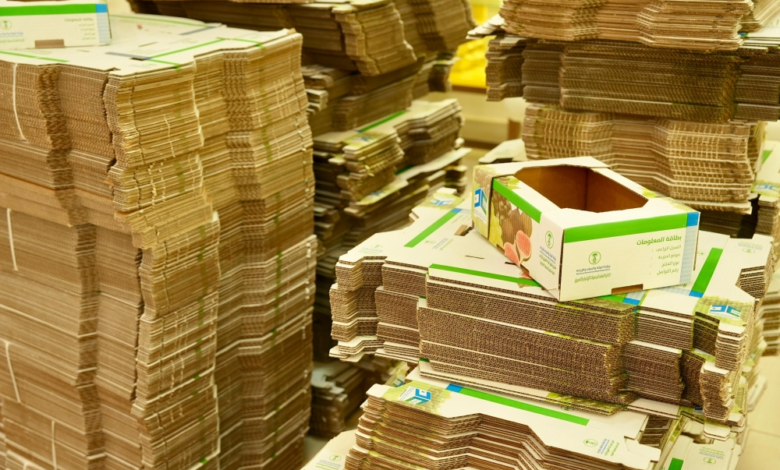
في خطوة تهدف إلى تعظيم الشعائر الدينية وحماية المقدسات من الامتهان غير المقصود، وجهت وزارة التجارة في المملكة العربية السعودية تعميماً عاجلاً لكافة المنشآت التجارية والمصانع، يقضي بمنع طباعة أو كتابة «أسماء الله الحسنى» أو الآيات القرآنية على الأكياس والعبوات البلاستيكية والورقية المستخدمة في تغليف البضائع.
ويأتي هذا التحرك الرقابي الحازم تفعيلاً لتوجيهات عليا وبرقيات صادرة عن صاحب السمو الملكي وزير الداخلية، والتي رصدت مؤخراً تزايد ظاهرة تدوين العبارات المقدسة ولفظ الجلالة على أوعية التغليف والمواد الاستهلاكية. ونظراً لأن مآل هذه العبوات غالباً ما يكون في سلال المهملات أو الطرقات بعد الاستخدام، فإن ذلك يعد انتهاكاً صريحاً لقدسية هذه الأسماء وتعدياً على حرمتها التي كفلتها الشريعة الإسلامية.
الاستناد الشرعي والمرجعية الدينية
لم يكن هذا القرار وليد اللحظة، بل استندت التوجيهات الرسمية إلى مرجعية شرعية رصينة متمثلة في الفتاوى الصادرة عن اللجنة الدائمة للبحوث العلمية والإفتاء. وقد حسمت هذه الفتاوى الموقف بتحريم وضع أسماء الله وصفاته أو الآيات القرآنية في أي موضع يعرضها للامتهان أو التدنيس، مثل أوراق الصحف المستخدمة في السفر، أو الأكياس المعدة للرمي. وأوصت اللجنة بضرورة تعظيم شعائر الله في كافة التعاملات التجارية، مصداقاً لقوله تعالى: (ذَلِكَ وَمَن يُعَظِّمْ شَعَائِرَ اللَّهِ فَإِنَّهَا مِن تَقْوَى الْقُلُوبِ).
إجراءات فورية عبر الغرف التجارية
وتنفيذاً لهذه التوجيهات، عممت وزارة التجارة عبر «اتحاد الغرف السعودية» تعليمات مشددة لكافة المشتركين من أصحاب الأعمال والمصانع بضرورة الإزالة الفورية لأي مطبوعات حالية تخالف هذا التوجيه. وحذرت الوزارة المتاجر من مغبة الاستمرار في طباعة الآيات القرآنية أو لفظ الجلالة على المواد الاستهلاكية سريعة التلف، مؤكدة أن الالتزام بهذه الضوابط ليس خياراً تسويقياً بل واجب ديني ونظامي يستوجب التنفيذ الفوري لتفادي المساءلة القانونية.
سياق تاريخي وقاعدة «المنع الوقائي»
يعكس هذا القرار ثبات السياسة السعودية في حماية الهوية الإسلامية، حيث أعادت الغرف التجارية التذكير بالأوامر السامية التاريخية الصادرة منذ عام 1407هـ وعام 1415هـ. هذه الأوامر أسست لما يعرف بقاعدة «المنع الوقائي» لأي ممارسات قد تؤدي -ولو عن غير قصد- إلى امتهان النصوص الشرعية. ويؤكد هذا التسلسل التاريخي أن احترام الهوية الدينية خط أحمر لا يقبل التهاون في القطاع التجاري، وأن الأنظمة التجارية في المملكة تعمل بتناغم تام مع القيم الإسلامية.
التأثير المتوقع والبدائل التسويقية
من المتوقع أن يدفع هذا القرار الشركات والمصانع إلى مراجعة شاملة لتصاميم عبواتهم وهوياتهم البصرية، والاعتماد على بدائل تسويقية تحترم الذوق العام والضوابط الشرعية. ويشجع هذا التوجه على الابتكار في التصاميم باستخدام الزخارف أو الشعارات المحايدة بدلاً من النصوص الدينية، مما يضمن سلامة الموقف النظامي للمنشآت ويحفظ للمجتمع قيمه ومقدساته.