
تفاصيل حادث قطار بانكوك المأساوي
استيقظت العاصمة التايلاندية بانكوك على فاجعة مروعة إثر حادث تصادم عنيف وقع بين قطار شحن بضائع وحافلة نقل عام في أحد التقاطعات المزدحمة وسط المدينة. وأسفر هذا الحادث المأساوي عن مصرع ثمانية أشخاص على الأقل، وإصابة أكثر من 35 آخرين بجروح متفاوتة الخطورة، مما يعيد تسليط الضوء مجدداً على أزمة السلامة المرورية وحوادث السكك الحديدية في البلاد.
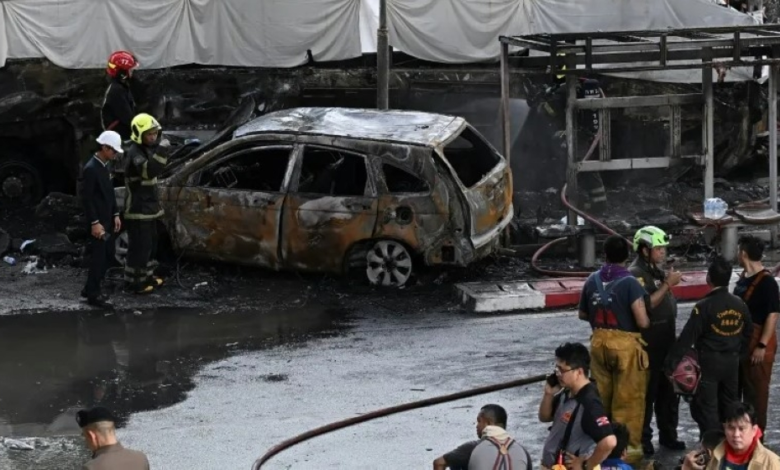
وفي تفاصيل الحادث، أوضح قائد شرطة بانكوك، أورومبورن كوندیسومريت، في تصريحات رسمية لوكالة فرانس برس، أن فرق الإنقاذ والدفاع المدني سارعت إلى موقع الكارثة فور تلقي البلاغ. وأكد أن النيران التي اندلعت في الحافلة جراء قوة الاصطدام قد تم إخمادها بالكامل، مشيراً إلى أن الجهود لا تزال مستمرة لانتشال جثث الضحايا وتقديم الرعاية الطبية العاجلة للمصابين الذين تم نقلهم إلى المستشفيات القريبة لتلقي العلاج اللازم.
كيف وقع التصادم؟
وقع الحادث بُعيد فترة الظهيرة عند تقاطع حيوي يشهد كثافة مرورية عالية في قلب العاصمة التايلاندية. وأظهرت لقطات مصورة تم تداولها على نطاق واسع عبر منصات التواصل الاجتماعي، القطار وهو يقترب بسرعة معتدلة من التقاطع الذي يربط بين خط السكة الحديدية وطريق السيارات. وفي لحظة حاسمة، اصطدم القطار بحافلة النقل العام، مما أدى إلى اشتعال النيران فيها على الفور.
وبثت محطة التلفزيون العامة “تاي بي بي إس” لقطات حية أظهرت سرعة استجابة فرق الإطفاء التي تمكنت من السيطرة على الحريق قبل أن يمتد. وتم فرض طوق أمني محكم حول المنطقة لتسهيل مهام فرق الإنقاذ. وتجدر الإشارة إلى أن هذا التقاطع يُعد شرياناً حيوياً تعبره عشرات الآلاف من المركبات يومياً، كما أن خط القطار يمر عبر وسط العاصمة متجهاً نحو أكبر مطاراتها، مما زاد من تعقيد الموقف وتأثيره على حركة السير.
السياق التاريخي: أزمة السلامة المرورية في تايلاند
لا يُعد هذا الحادث واقعة معزولة، بل هو حلقة جديدة في سلسلة من الحوادث المرورية المفجعة التي تعاني منها تايلاند. ووفقاً لتقارير منظمة الصحة العالمية، تُصنف تايلاند ضمن الدول التي تسجل أعلى معدلات الوفيات الناتجة عن حوادث الطرق على مستوى العالم. ويعود ذلك بشكل رئيسي إلى التراخي في تطبيق قوانين السير، وضعف البنية التحتية في بعض المناطق، والافتقار إلى حواجز الأمان الكافية أو الإشارات التحذيرية الواضحة عند تقاطعات السكك الحديدية المفتوحة.
سجل حافل بحوادث القطارات المميتة
يعيد هذا الحادث إلى الأذهان سلسلة من الكوارث المشابهة التي شهدتها البلاد مؤخراً نتيجة ضعف معايير السلامة. ففي شهر يناير الفائت، أدى انهيار رافعة ضخمة على قطار ركاب في شمال شرق البلاد إلى مقتل 32 شخصاً وإصابة العشرات. وفي عام 2020، لقي 18 شخصاً حتفهم في حادث مروع إثر اصطدام قطار شحن بحافلة كانت تقل ركاباً متوجهين لحضور مراسم دينية. كما شهد عام 2023 حادثاً آخر أسفر عن مقتل ثمانية أشخاص إثر تصادم بين قطار بضائع وشاحنة صغيرة كانت تعبر خطاً للسكك الحديدية في شرق تايلاند.
التأثيرات والتداعيات المتوقعة
يحمل هذا الحادث تداعيات كبيرة على المستويين المحلي والدولي. محلياً، يثير الحادث غضباً شعبياً ومطالبات متزايدة للحكومة التايلاندية بضرورة التدخل العاجل لتحديث البنية التحتية للسكك الحديدية وفرض رقابة صارمة على معايير السلامة. أما على الصعيد الدولي، فإن تكرار مثل هذه الحوادث قد يؤثر سلباً على صورة تايلاند كواحدة من أبرز الوجهات السياحية في العالم، حيث يضع سلامة الزوار والسياح الذين يعتمدون بكثرة على وسائل النقل العام في دائرة القلق. يتطلب الأمر استراتيجية وطنية شاملة للحد من هذه المآسي وضمان تنقل آمن للجميع.