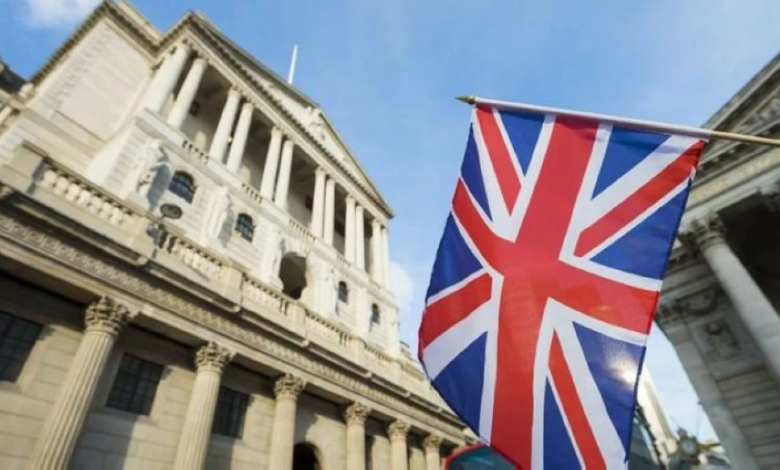
Bank of England is set to hold interest rates steady at 3.75% amid inflation concerns

All eyes are on London today, Thursday, as the Bank of England prepares to announce its highly anticipated monetary policy decision. Widespread expectations suggest the bank will leave its main interest rate unchanged at 3.75%. This likely decision comes at a time when inflation remains well above the bank's official target, prompting caution despite some positive signs of a gradual recovery in the British economy.
This move towards stabilization marks a turning point in the UK's monetary policy, as the central bank, the country's primary guarantor of monetary stability, has pursued a gradual easing approach over the past 18 months. This period has been characterized by a series of interest rate cuts, often implemented at a rate of one cut every three months, aimed at stimulating economic growth and supporting markets.
Background to the decision and the economic context
Last December saw the bank's last concrete move toward monetary easing, when it cut the key interest rate by a quarter of a percentage point. At the time, policymakers hinted at the possibility of continuing this approach and implementing further cuts this year. However, recent economic data, particularly regarding consumer prices, may necessitate a reassessment of this course, as inflation remains the biggest obstacle to continuing an ultra-loose monetary policy.
Expected impacts locally and globally
The decision to keep interest rates at 3.75% carries profound economic implications that go beyond mere numbers:
- Domestically, the stabilization means that borrowing costs will remain at their current levels, directly impacting mortgage holders and businesses reliant on bank financing. While this may put pressure on consumer spending, it is a necessary tool to curb prices and prevent inflation from spiraling out of control again, especially given the emerging signs of economic recovery that could boost demand.
- From an investment perspective: Financial markets, including the stock and government bond markets, are closely watching this decision to determine the direction of the British pound. Monetary tightening (or a halt to rate cuts) typically supports the national currency, but it can dampen risk appetite in equity markets.
In conclusion, the Bank of England finds itself today facing a delicate balancing act: balancing the need to control inflation, which continues to defy targets, with the desire not to stifle the fragile economic recovery. The statement accompanying the decision will be of paramount importance to analysts in discerning whether this decision to hold rates steady is merely a temporary pause to catch their breath, or the beginning of a shift in the bank's long-term strategy.