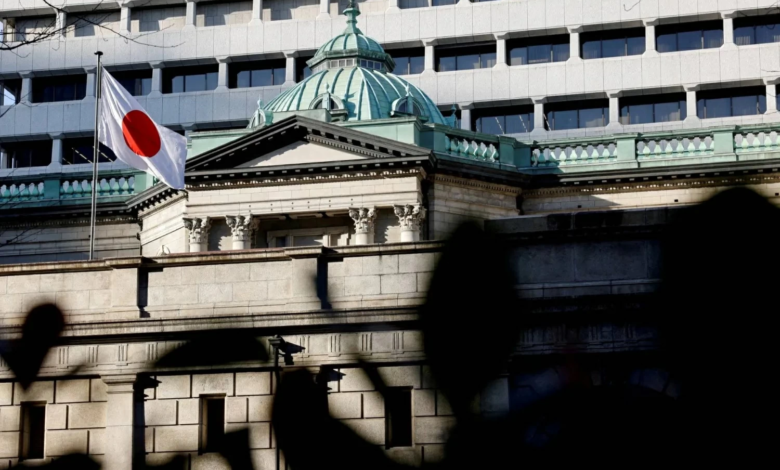

أرسل محافظ بنك اليابان المركزي، كازو أويدا، إشارات قوية للأسواق المالية حول إمكانية رفع أسعار الفائدة مجدداً خلال اجتماع السياسة النقدية المقرر عقده في منتصف شهر يونيو الجاري. تأتي هذه التلميحات لتؤكد على تحول تاريخي في سياسة ثالث أكبر اقتصاد في العالم، والذي بدأ يبتعد تدريجياً عن حقبة طويلة من التيسير النقدي المفرط لمواجهة تحديات التضخم المتصاعدة.
وفي خطاب ألقاه يوم الأربعاء، شدد أويدا على ضرورة الموازنة الدقيقة بين إيجابيات وسلبيات أي قرار بتشديد السياسة النقدية. وأوضح أن القرار سيعتمد بشكل كبير على ما إذا كانت مخاطر التضخم المتزايدة تفوق احتمالات تباطؤ النمو الاقتصادي، في خطوة تعكس حذر البنك ولكنها تفتح الباب أمام زيادة جديدة في تكاليف الاقتراض.
وداعاً لعقود من التيسير النقدي
تأتي تصريحات أويدا في سياق متغير بالكامل للاقتصاد الياباني. فلعقود طويلة، حاربت اليابان شبح الانكماش (انخفاض الأسعار) الذي شلّ النمو الاقتصادي. ولتحفيز الاقتصاد، لجأ بنك اليابان إلى سياسات نقدية غير تقليدية، بما في ذلك أسعار الفائدة السلبية وبرامج ضخمة لشراء الأصول، وهي السياسات التي عُرفت عالمياً باسم “آبينوميكس”. إلا أن المشهد العالمي تغير بعد جائحة كورونا، حيث ارتفعت معدلات التضخم عالمياً، وبدأت اليابان تشعر بآثارها، مدفوعة بارتفاع أسعار الطاقة والمواد الخام، بالإضافة إلى ضعف الين الذي زاد من تكلفة الواردات.
وفي مارس 2024، اتخذ البنك خطوة تاريخية بإنهاء سياسة الفائدة السلبية، رافعاً أسعار الفائدة لأول مرة منذ 17 عاماً. والآن، تشير تلميحات المحافظ إلى أن هذه لم تكن خطوة معزولة، بل بداية لمسار جديد من التطبيع النقدي.
ضغوط التضخم تدفع بنك اليابان المركزي لتغيير المسار
أشار أويدا إلى أن موجة التضخم الحالية، التي يغذيها الارتفاع المستمر في أسعار النفط الخام والتوترات الجيوسياسية العالمية، قد تدفع التضخم الأساسي في البلاد لتجاوز المستهدف الرسمي للبنك البالغ 2%. وحذر من أن هذه الضغوط السعرية قد لا تكون مؤقتة، مما يستدعي تحركاً استباقياً من البنك لحماية الاستقرار النقدي وتجنب فقدان السيطرة على توقعات التضخم.
كما نبه المحافظ إلى أن أي تأخير في اتخاذ الإجراءات اللازمة قد يجبر بنك اليابان المركزي مستقبلاً على اللجوء إلى رفع الفائدة بشكل حاد ومفاجئ، وهو سيناريو من شأنه أن يفرض أعباء ثقيلة على الاقتصاد والأسواق والنظام المالي ككل، مما يضر بالشركات والمستهلكين على حد سواء.
التداعيات على الين والأسواق العالمية
يترقب المستثمرون حول العالم اجتماع بنك اليابان عن كثب، نظراً للتأثيرات الواسعة التي قد تترتب على قراره. فرفع أسعار الفائدة من شأنه أن يدعم الين الياباني الذي وصل مؤخراً إلى أدنى مستوياته منذ عقود مقابل الدولار الأمريكي. ورغم أن قوة الين قد تضر بالشركات اليابانية الكبرى المعتمدة على التصدير، إلا أنها ستساعد في كبح التضخم المستورد. علاوة على ذلك، فإن أي تغيير في سياسة الفائدة اليابانية يؤثر على الأسواق العالمية، خاصة فيما يتعلق بـ “تجارة المناقلة” (Carry Trade)، حيث يقترض المستثمرون بالين منخفض الفائدة للاستثمار في أصول ذات عائد أعلى بعملات أخرى. رفع الفائدة في اليابان قد يؤدي إلى تفكيك هذه الصفقات، مما قد يسبب تقلبات في الأسواق المالية العالمية.