
بنك كوريا المركزي يواصل سياسة التثبيت النقدي
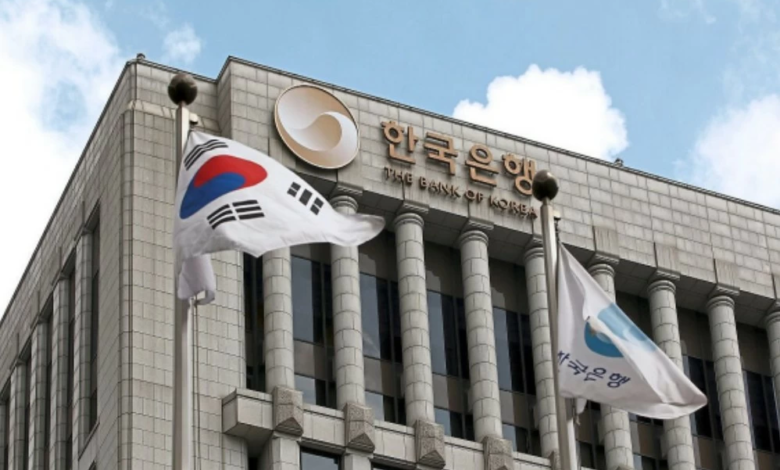
أعلن بنك كوريا المركزي، في خطوة تعكس حذراً اقتصادياً بالغاً، عن قراره بتثبيت سعر الفائدة الرئيسي عند مستوى 2.5%، وذلك للمرة السابعة على التوالي. جاء هذا القرار عقب الاجتماع الأخير لمجلس السياسة النقدية التابع للبنك في العاصمة سيئول، ليؤكد على استمرار البنك في نهجه الحالي رغم التحديات الاقتصادية المتغيرة. ويعتبر هذا التثبيت مؤشراً هاماً للمستثمرين والأسواق المالية، حيث يعكس رغبة صناع القرار في تقييم آثار التخفيضات السابقة قبل اتخاذ أي خطوات جديدة قد تؤثر على مسار النمو.
السياق التاريخي ودورة التيسير النقدي
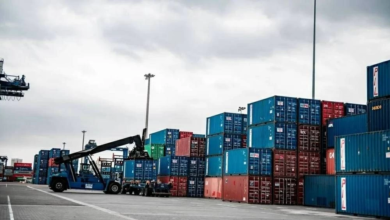
ولفهم السياق التاريخي لهذا القرار، يجب العودة إلى دورة التيسير النقدي التي بدأها بنك كوريا المركزي في أكتوبر من عام 2024. في ذلك الوقت، كان الاقتصاد الكوري الجنوبي بحاجة إلى محفزات قوية لدعم النمو الاقتصادي المتباطئ، مما دفع البنك إلى خفض سعر الفائدة القياسي بمقدار 100 نقطة أساس إجمالاً، ليتراجع من 3.5% إلى 2.5%. ومنذ يوليو 2025، حافظ البنك على هذا المعدل دون تغيير. تاريخياً، يعتمد الاقتصاد الكوري بشكل كبير على الصادرات، وخاصة في قطاعات التكنولوجيا وأشباه الموصلات والسيارات، وتلعب أسعار الفائدة دوراً حاسماً في تحديد قيمة العملة المحلية (الوون)، مما يؤثر بدوره على تنافسية الصادرات الكورية في الأسواق العالمية.
التأثير المحلي على الاقتصاد الكوري
على الصعيد المحلي، يحمل قرار تثبيت سعر الفائدة أهمية كبرى للاقتصاد الكوري الجنوبي. فمن جهة، يساهم استقرار الفائدة في تخفيف الأعباء عن كاهل الأسر الكورية التي تعاني من مستويات مرتفعة من الديون المعيشية والعقارية، وهي مشكلة هيكلية طالما أرقت صناع السياسة في سيئول. ومن جهة أخرى، يمنح هذا الاستقرار الشركات المحلية، وخاصة الشركات الصغيرة والمتوسطة، قدرة أفضل على التخطيط المالي والاستثماري دون الخوف من تقلبات مفاجئة في تكلفة الاقتراض. كما أن البنك المركزي يحاول من خلال هذا التثبيت كبح جماح أي ضغوط تضخمية محتملة قد تنشأ عن الإفراط في التيسير النقدي وضخ الأموال.
الأبعاد الإقليمية والدولية للقرار
إقليمياً ودولياً، لا يمكن عزل قرارات بنك كوريا المركزي عن المشهد الاقتصادي العالمي. كوريا الجنوبية هي رابع أكبر اقتصاد في آسيا ولاعب رئيسي ومحوري في سلاسل التوريد العالمية. قرار الإبقاء على الفائدة عند 2.5% يأتي في ظل مراقبة دقيقة لتحركات البنوك المركزية الكبرى، وعلى رأسها مجلس الاحتياطي الفيدرالي الأمريكي. إن الحفاظ على فارق معقول ومدروس في أسعار الفائدة بين كوريا والولايات المتحدة يمنع التدفقات النقدية السلبية وخروج رؤوس الأموال الأجنبية من الأسواق الكورية. علاوة على ذلك، يبعث هذا الاستقرار برسالة طمأنة للشركاء التجاريين في المنطقة، مما يعزز من استقرار الأسواق الآسيوية الناشئة التي تتأثر بشدة بتقلبات الاقتصاد الكوري.
نظرة مستقبلية
في الختام، يبدو أن بنك كوريا المركزي يتبنى استراتيجية الانتظار والترقب، مفضلاً الحفاظ على المكتسبات الاقتصادية الحالية وتجنب أي صدمات نقدية غير محسوبة. ومع استمرار مراقبة مؤشرات التضخم ومعدلات النمو العالمي، يبقى الباب مفتوحاً أمام تعديلات مستقبلية إذا دعت الحاجة، إلا أن الوضع الراهن يؤكد على أولوية الاستقرار المالي والنقدي في واحدة من أهم الاقتصادات الآسيوية والعالمية.