Barcelona officially withdraws from the Super League: The end of the Super League project

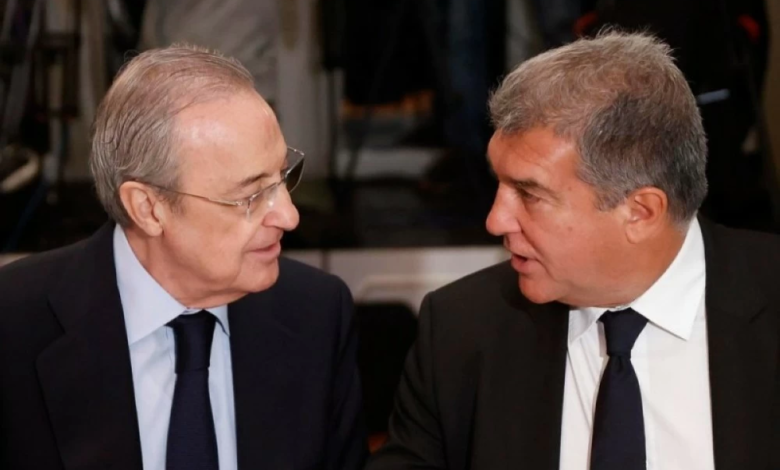
FC Barcelona announced in an official statement on Saturday its final withdrawal from the European Super League project, thus ending a long chapter of sporting and legal controversy. This decisive step confirms the Catalan club's distancing itself from the project spearheaded by Real Madrid president Florentino Pérez, and puts an end to the partnership that has united the two arch-rivals off the pitch in recent years.
Details of the decision and official statement
In a statement, the Catalan club announced that it had informed the European Super League and the other founding clubs of its irrevocable decision to withdraw from the project. Barcelona's management confirmed that this decision came after a thorough review of the current legal and sporting situation, and in the best interests of the club and its vast global fanbase. With this announcement, Barcelona closes the chapter on the initiative launched in April 2021, which sparked a storm of criticism in the international sporting community.
Background of the project and the collapse of the alliance
To understand the significance of this decision, we must go back a little, specifically to the moment the project was launched. Initially, it comprised 12 of Europe's elite clubs, including six English, three Italian, and three Spanish teams. The stated aim was to create an alternative competition to the Champions League, guaranteeing substantial financial returns for the participating clubs. However, the project faced unprecedented public and official rejection, leading to the withdrawal of nine founding clubs within just 48 hours of the announcement, leaving Barcelona, Real Madrid, and Juventus to face UEFA.
Real Madrid alone in the arena
With Juventus' earlier withdrawal and now Barcelona's official exit, Real Madrid remains the only club still clinging to this controversial project. This development points to the complete isolation of the project that Pérez staked his reputation on to reshape European football. Barcelona's decision reflects a strategic shift in the club's policy, as President Joan Laporta seeks to rebuild bridges with official football institutions, most notably UEFA and the European Club Association (ECA), headed by Nasser Al-Khelaifi.
The repercussions of the decision and the future of European football
This withdrawal carries profound implications that go beyond a mere administrative decision; it represents a victory for the traditional football model based on sporting merit and open competition under the UEFA umbrella. The decision also comes at a sensitive time, as Barcelona faces economic challenges, making improving relations with the European Union and avoiding any potential sanctions a top priority for the current administration. With this, the curtain is practically drawn on the Super League in its current form, and the focus returns to developing the existing continental competitions under their new format.