Brazil and Mexico mediate to defuse the crisis between the US and Venezuela

In a diplomatic move aimed at averting a potential armed conflict in Latin America, the region's two largest powers, Brazil and Mexico, have offered urgent mediation initiatives to contain the escalating tensions between the United States and Venezuela. Both Brazilian President Luiz Inácio Lula da Silva and Mexican President Claudia Sheinbaum have expressed their willingness to intervene directly to open channels of dialogue between Washington and Caracas.
Urgent Brazilian and Mexican moves
Amidst a tense atmosphere, Brazilian President Lula da Silva expressed his deep concern over the military buildup, affirming his readiness to act as a mediator to reach effective diplomatic solutions. Lula indicated his intention to hold talks with his American counterpart, Donald Trump, before Christmas, in an effort to avert what he described as a "fratricidal war" that could destabilize the continent.
For its part, Mexico adopted a similar stance, with President Claudia Sheinbaum proposing to work alongside Latin American countries and peace-loving international powers to prevent any US military intervention in Venezuela, stressing the need for a peaceful resolution to the crisis.
Context of escalation and military deployment
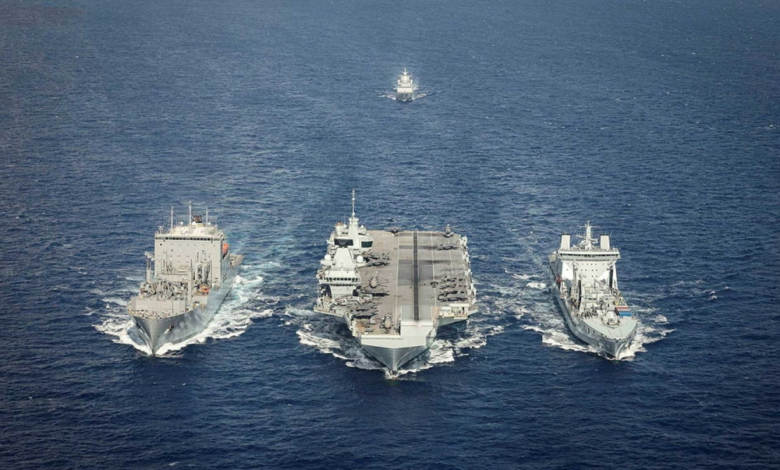
These diplomatic initiatives come at a time when the United States has deployed a massive military presence in the Caribbean and Pacific Oceans. While Washington justifies these moves as operations aimed at combating drug trafficking and targeting the vessels used in it, Venezuelan President Nicolás Maduro sees them as a pretext and cover for a US attempt to overthrow his regime.
Reports indicate that these military operations have sparked widespread controversy regarding their legality, especially after they resulted in the deaths of at least 95 people since last September, further exacerbating tensions.
Historical background and regional significance
This current tension cannot be separated from the historical context of strained relations between the United States and Venezuela, which have seen decades of economic sanctions and diplomatic estrangement, especially given that Venezuela possesses the world's largest oil reserves, making it a sensitive geopolitical focal point.
The importance of Brazilian and Mexican mediation lies in their political and economic weight; the outbreak of any armed conflict would not be limited to Venezuela alone, but would extend to a massive refugee crisis that would strain neighboring countries, in addition to disruptions in global energy markets and a threat to the national security of all Latin American countries. Therefore, the countries of the region are striving to prioritize dialogue to preserve the region as an area of peace, far removed from international conflicts.