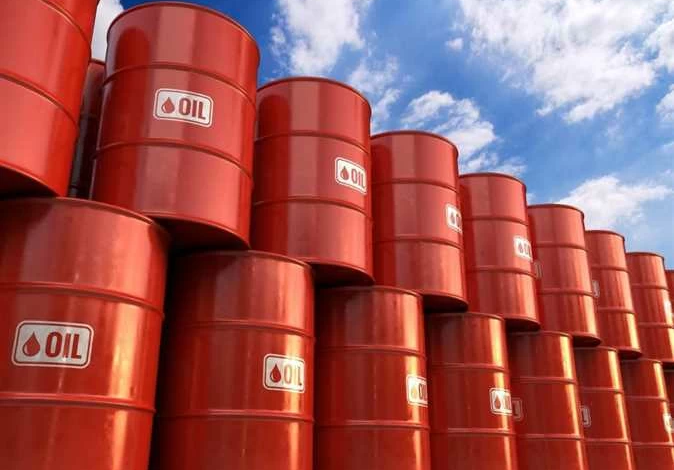

شهدت أسواق الطاقة العالمية قفزة ملحوظة، حيث ارتفعت أسعار خام برنت بنسبة تقارب 3% خلال تداولات يوم الأربعاء، مقتربة من الحاجز النفسي الهام عند 100 دولار للبرميل، إذ لامس سعر البرميل مستوى 98.96 دولاراً. يأتي هذا الارتفاع مدفوعاً بمزيج من العوامل الجيوسياسية ومؤشرات شح الإمدادات في الأسواق العالمية، مما يعزز حالة من الترقب والقلق بين المستثمرين والمحللين على حد سواء.
هذا التصاعد في الأسعار ليس وليد اللحظة، بل هو نتيجة لتراكمات بدأت مع تعافي الطلب العالمي على الطاقة بعد جائحة كوفيد-19، وتفاقمت مع قرارات تحالف “أوبك بلس” المتعلقة بخفض الإنتاج للحفاظ على استقرار الأسواق. واليوم، تضيف التوترات في الشرق الأوسط طبقة جديدة من التعقيد، مما يزيد من “علاوة المخاطر” المضافة على أسعار النفط.
توترات الشرق الأوسط تشعل أسعار خام برنت
تعتبر منطقة الشرق الأوسط شرياناً حيوياً لإمدادات الطاقة العالمية، وأي تصعيد فيها ينعكس بشكل مباشر وفوري على الأسواق. وقد تجددت المخاوف مؤخراً بعد الإعلان عن هجمات صاروخية إيرانية في المنطقة، ورغم تأكيد الجيش الأمريكي أن هذه الهجمات لم تحقق أهدافها، إلا أن الحادثة بحد ذاتها سلطت الضوء على هشاشة الوضع الأمني. يضاف إلى ذلك غياب أي تقدم ملموس في المسار الدبلوماسي بين واشنطن وطهران، مما يبقي باب التكهنات مفتوحاً أمام احتمالات تعطّل الإمدادات النفطية، خاصة عبر مضيق هرمز الاستراتيجي الذي يمر عبره جزء كبير من نفط العالم.
مخزونات النفط الأمريكية تزيد من ضغوط الإمدادات
على صعيد العرض والطلب، جاءت البيانات الأولية من معهد البترول الأمريكي لتزيد من الضغوط على الأسعار، حيث أظهرت انخفاضاً في مخزونات النفط الخام في الولايات المتحدة، أكبر مستهلك للنفط في العالم. وتترقب الأسواق الآن بلهفة صدور البيانات الرسمية من إدارة معلومات الطاقة الأمريكية في وقت لاحق اليوم، وسط توقعات تشير إلى انخفاض المخزونات بمقدار 2.9 مليون برميل. ويُعد انخفاض المخزونات مؤشراً قوياً على أن الطلب يفوق العرض المتاح حالياً، وهو ما يدعم بطبيعة الحال الاتجاه الصعودي للأسعار.
التداعيات الاقتصادية العالمية والمحلية
إن اقتراب أسعار النفط من مستوى 100 دولار للبرميل يحمل في طياته تداعيات اقتصادية واسعة النطاق. على المستوى العالمي، يهدد هذا الارتفاع بتغذية موجات التضخم التي تعاني منها معظم الاقتصادات الكبرى، حيث ترتفع تكاليف النقل والإنتاج الصناعي. وقد يدفع ذلك البنوك المركزية إلى مواصلة سياساتها النقدية المتشددة، مما قد يبطئ النمو الاقتصادي العالمي. أما بالنسبة للدول المستهلكة للطاقة، فيعني ذلك فواتير طاقة أعلى للمواطنين والشركات، بينما تستفيد الدول المنتجة من زيادة إيراداتها المالية بشكل كبير، مما يدعم ميزانياتها ومشاريعها التنموية.