Britain is exploring ways to secure navigation in the Strait of Hormuz to protect trade

Introduction: British moves to secure navigation in the Strait of Hormuz
Amid escalating geopolitical tensions in the Middle East, Britain is once again intensifying its efforts to enhance and secure maritime navigation in the strategic Strait of Hormuz. This move is part of a broader strategy aimed at protecting the economic and commercial interests of the United Kingdom and its allies, and ensuring freedom of navigation in one of the world's most vital waterways. These steps come in response to the security challenges facing commercial vessels and oil tankers transiting this crucial region.
The strategic and economic importance of the Strait of Hormuz
The Strait of Hormuz is a vital artery for global energy supplies, connecting the Persian Gulf, the Gulf of Oman, and the Arabian Sea. Reliable statistics indicate that approximately one-fifth of the world's oil consumption, along with vast quantities of liquefied natural gas, passes through this narrow strait daily. Consequently, any threat to or disruption of shipping traffic in the Strait of Hormuz has a direct and immediate impact on global energy markets, leading to sharp fluctuations in oil prices and negatively affecting the global economy as a whole.
Historical background of tensions in the region
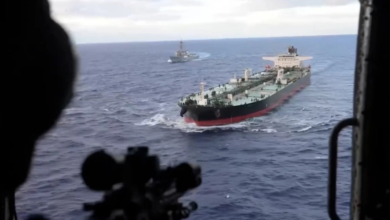
Historically, the Strait of Hormuz has witnessed numerous incidents and tensions that have threatened the security of international navigation. Among the most prominent of these events was the 2019 incident in which several commercial oil tankers, including the British tanker Stena Impero, were seized or targeted. These incidents prompted Britain to bolster its naval presence in the region and join the International Maritime Security Construct (IMSC). Since then, the Royal Navy has been working in coordination with its international partners, primarily the United States, to ensure the safe escort of British-flagged vessels.
The expected impact of British efforts (locally, regionally, and internationally)
Domestically, the British government aims, through these actions, to reassure the shipping sector and British businesses that their supply lines are secure and stable, which positively impacts price stability in the domestic market. Regionally, the British and international presence contributes to maintaining security in the Arabian Gulf region and reduces the likelihood of direct military escalation between regional powers.
Internationally, Britain's efforts to secure navigation in the Strait of Hormuz reaffirm its unwavering commitment to international law and freedom of navigation. Close cooperation among major powers to protect this vital waterway sends a clear message that the international community will not tolerate any attempts to threaten global trade or use waterways as tools for political pressure. In conclusion, the security of the Strait of Hormuz remains a top priority, requiring continuous coordination and constant vigilance to ensure the stability of the global economy.