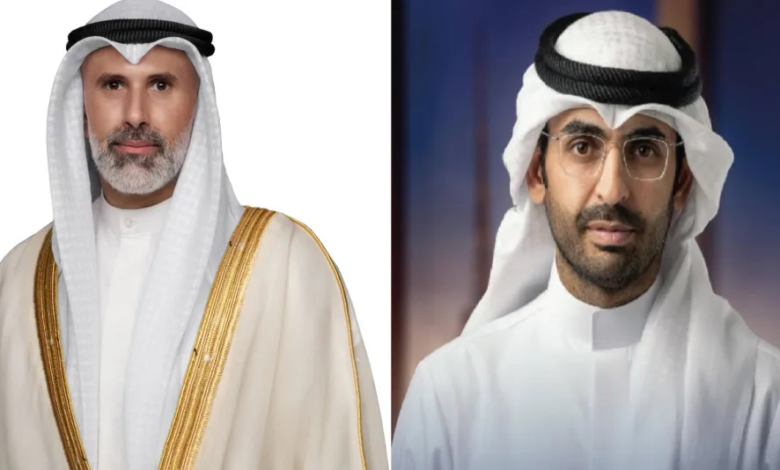
A cabinet reshuffle in Kuwait includes the ministries of Foreign Affairs, Finance, and Information

The political scene in Kuwait witnessed a significant development with the announcement of a new cabinet reshuffle encompassing key sovereign portfolios, most notably the Ministry of Foreign Affairs, the Ministry of Finance, and the Ministry of Information. This reshuffle comes at a critical juncture, reflecting the political leadership's desire to inject new blood into the state's executive branch, in line with the demands of the current phase and the local and regional challenges.
The context of ministerial reshuffles in the Kuwaiti political landscape
Cabinet reshuffles in Kuwait are part of the political dynamic that characterizes the relationship between the executive (government) and legislative (National Assembly) branches. Historically, successive governments have resorted to cabinet reshuffles for several reasons, including easing political tensions with parliament, improving government performance, or filling vacancies resulting from previous resignations. This approach typically aims to strengthen cooperation between the two branches to ensure the passage of stalled legislation and development projects, and to achieve political stability, which is a fundamental pillar of any economic development.
The importance of the bags included in the amendment
This amendment is of particular importance given the type of ministries affected by the change:
- The Ministry of Finance is considered the backbone of the Kuwaiti economy. Changes in the minister of this portfolio typically coincide with the government's efforts to address structural imbalances in the public budget, seek alternative sources of income to oil, manage the sovereign wealth fund, and control public spending—all issues that require a firm yet flexible economic vision.
- The Ministry of Foreign Affairs stated that Kuwait has always been distinguished by its balanced diplomacy and its role as an impartial mediator in the region. Any changes to this portfolio are necessarily aimed at preserving this diplomatic legacy while keeping pace with the rapidly evolving geopolitical landscape in the Middle East and the world, and strengthening Kuwait's international and Gulf relations.
- Ministry of Information: In light of the digital revolution and the spread of social media, the importance of the Ministry of Information lies in regulating official media discourse, developing the infrastructure of government media to be more transparent and closer to citizens, and confronting rumors that may affect social security.
Expected impacts locally and regionally
This reshuffle is expected to have a positive impact on the domestic scene by revitalizing stalled economic and administrative reforms. Kuwaiti citizens anticipate practical solutions from the new ministers regarding housing, employment, and improved public services. Regionally, the reshuffle sends a message that Kuwait is continuing to put its own house in order to remain an active and influential partner within the Gulf Cooperation Council, capable of confronting global economic challenges with flexibility and efficiency.