The Élysée Palace robbery: Silversmith on trial for embezzling historical artifacts

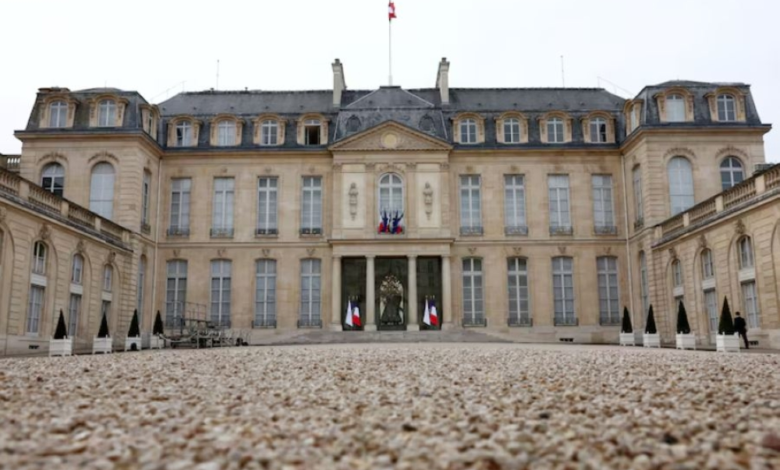
In an incident that has sparked widespread debate about security standards within French sovereign institutions, the public prosecutor's office in Paris announced details of a theft at the Élysée Palace, the official residence of French President Emmanuel Macron. This case is particularly sensitive given the identity of the main suspect, the palace's silversmith, highlighting the risks of insider threats at sensitive sites.
Details of the theft and the accused
Investigations revealed that a silverware custodian, identified as "Thomas M," and his accomplice, "Damien J," were arrested on suspicion of involvement in a systematic theft of valuable items. The list of suspects didn't end there; a third man, "Ghislain M," a security guard at the prestigious Louvre Museum, was also implicated as the recipient of the stolen goods. Authorities recovered nearly 100 stolen items hidden in the main suspect's car, home, and safe. These items included copperware, ceramics, valuable glasses, and silverware typically used at official state dinners.
Crime detection and value of stolen goods
The threads of the crime began to unravel when the Sèvres porcelain factory, the historical and primary supplier of tableware to the palace, discovered a number of rare pieces being offered for sale on online auction sites. This discovery led investigators to trace the source and uncover the network. According to the public prosecutor's office, the stolen items are estimated to be worth between 15,000 and 40,000 euros, but their historical and sentimental value far exceeds that, given their connection to the heritage of the French presidency.
The security context and the Louvre's relationship
This incident comes at a critical time, occurring just two months after a brazen daylight robbery at the Louvre Museum last October, when thieves disguised as construction workers stole priceless pieces of the French crown jewels. What is striking about the Élysée Palace case is the human link between the two incidents: the third suspect works as a security guard at the Louvre, and his lawyer justified his client's involvement by citing his "passion for rare artifacts.".
The importance and impact of the event
This incident raises serious questions about the effectiveness of security systems in France, not only in museums open to the public, but even within the very heart of the French state. The Élysée Palace is not merely a residence; it is a symbol of the Republic and the center of decision-making. The breach of its security by entrusted employees points to weaknesses in internal control procedures and job audits. This incident is expected to lead to a comprehensive review of protocols for handling heritage artifacts and stricter oversight of those working in the president's inner circle, to ensure that such breaches, which undermine the prestige of the state, are not repeated.