
حالة طوارئ وإخلاء واسع النطاق
تعيش ولاية كاليفورنيا الأمريكية حالة من التأهب القصوى والجدل الواسع إثر مخاوف حقيقية من وقوع انفجار كارثي لخزان يحتوي على مواد كيميائية سامة. وقد أجبر هذا التهديد الخطير السلطات المحلية على اتخاذ إجراءات عاجلة شملت إخلاء عشرات الآلاف من السكان من منازلهم لضمان سلامتهم. أصدرت السلطات أوامر بإجلاء نحو 40 ألف شخص في منطقة غاردن غروف بمقاطعة أورانج، الواقعة جنوب شرق لوس أنجلوس. يأتي هذا الإجراء الاحترازي بسبب تسرب خطير من خزان كيميائي قد يؤدي إلى انتشار أبخرة سامة فوق منطقة سكنية مكتظة، مما يرفع من احتمالية وقوع انفجار مدمر.
تفاصيل المادة الكيميائية وجهود التبريد
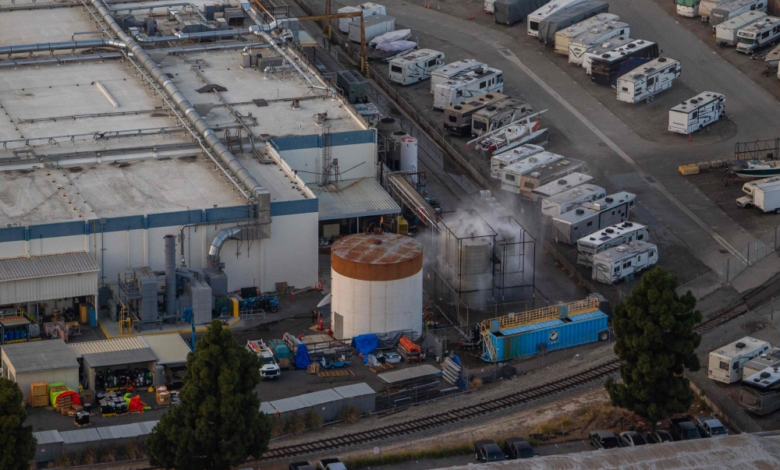
يحتوي الخزان المعني على 26 ألف لتر من مادة “ميثيل ميثاكريلات”، وهو سائل شديد القابلية للاشتعال يُستخدم بشكل أساسي في صناعة البلاستيك. وفي سياق محاولات السيطرة على الوضع، صرح قائد العمليات في موقع الحادث، كريغ كوفي، بأن فرق الطوارئ تعمل على مدار الساعة لتحييد خطر الانفجار المحتمل. وأشار إلى وجود خزان إضافي تبلغ سعته أكثر من 55 ألف لتر قد يتأثر في حال انفجار الخزان الرئيسي. وأعرب كوفي عن قلقه موضحاً أن درجة حرارة الخزان ارتفعت من 25 درجة مئوية إلى 32 درجة مئوية، وتستمر في الارتفاع بمعدل درجة واحدة تقريباً كل ساعة، مما يمثل تحدياً كبيراً لفرق الإطفاء التي تسعى جاهدة لتبريد الخزان باستخدام خراطيم المياه، حيث أظهرت لقطات جوية رش خزان ضخم تبلغ سعته 128 ألف لتر بالمياه.
المخاطر الصحية والبيئية
من جهة أخرى، تسابق السلطات الزمن لمنع كارثة بيئية من خلال وضع حواجز تمنع تسرب المواد السامة إلى مجاري مياه الأمطار والأنهار التي تصب في المحيط. ورغم عدم تسجيل أي إصابات حتى الآن، حذرت وكالة حماية البيئة الأمريكية من أن مادة “ميثيل ميثاكريلات” تسبب تهيجاً شديداً للجلد والعينين والأغشية المخاطية. كما نبهت الوكالة إلى الآثار السلبية على الجهاز التنفسي والجهاز العصبي عند استنشاق هذه الأبخرة لفترات قصيرة أو طويلة.
السياق التاريخي والتأثير المتوقع
تاريخياً، تُعد ولاية كاليفورنيا من أكثر الولايات الأمريكية صرامة فيما يتعلق بالقوانين البيئية، إلا أن التوسع العمراني واقتراب المناطق السكنية من المنشآت الصناعية لطالما شكل تحدياً معقداً. تعيد هذه الحادثة إلى الأذهان حوادث صناعية سابقة في الولايات المتحدة أدت إلى تغييرات جذرية في سياسات تخزين المواد الخطرة. على الصعيد المحلي، يفرض هذا الحدث شللاً مؤقتاً في الحياة اليومية ويضع ضغوطاً هائلة على خدمات الطوارئ. أما إقليمياً ودولياً، فإن مثل هذه الحوادث تسلط الضوء على أهمية تأمين سلاسل التوريد المرتبطة بصناعة البلاستيك، وتدفع المنظمات الدولية لإعادة تقييم معايير تخزين المواد القابلة للاشتعال، مما قد يمهد لفرض تشريعات عالمية أكثر صرامة لحماية المجتمعات المجاورة للمناطق الصناعية.