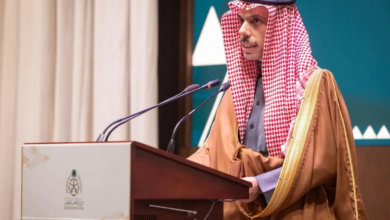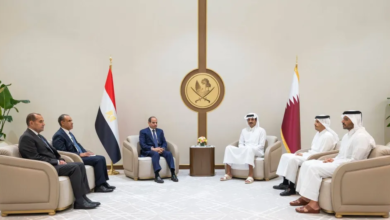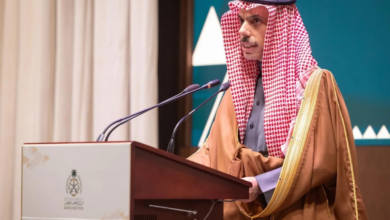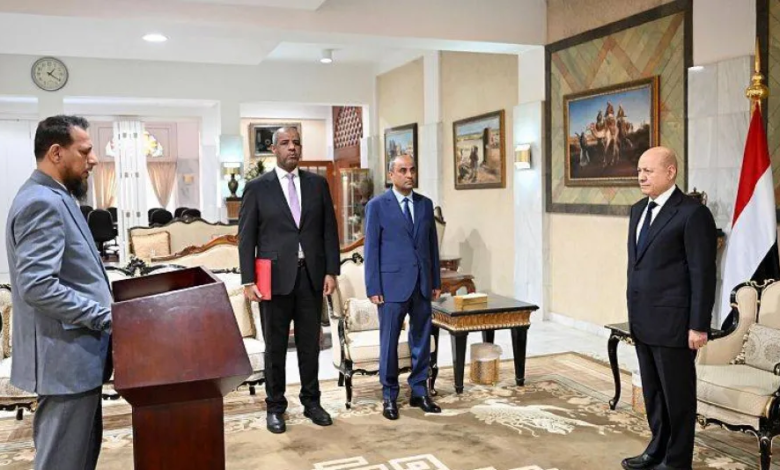

The liberated Yemeni regions, particularly the interim capital Aden, are witnessing a noticeable calm and relative stability following recent political developments that have resolved internal disputes between the legitimate government and the Southern Transitional Council. This calm is a direct result of the political consensus efforts sponsored by Saudi Arabia and the United Arab Emirates, aimed at unifying the domestic front to confront the economic and military challenges facing the country.
Background of the conflict and the path of the Riyadh Agreement
To understand the significance of this lull, it is essential to revisit the broader context of events in the southern governorates over the past few years. These regions experienced a period of military and political tension between government forces and the Southern Transitional Council (STC), leading to rounds of clashes that negatively impacted the lives of citizens and public services. The Riyadh Agreement, signed in November 2019, served as a cornerstone for bridging the divide, followed by the formation of the Presidential Leadership Council in April 2022. This council included leaders from various factions, including the STC, paving the way for ending the division and unifying political and military decision-making.
The strategic importance of unifying ranks
This rapprochement and the overcoming of the stage of internal conflict is of paramount importance on several levels:
- Locally: The calm directly impacts the improvement of basic services such as electricity and water, and enhances the chances of stabilizing the national currency, which has suffered a sharp collapse, giving the Yemeni citizen a glimmer of hope for improved living conditions.
- From a military and security perspective: Integrating military and security formations under the umbrella of the Ministries of Defense and Interior contributes to strengthening security in the liberated areas, and directing the military compass towards restoring the state and confronting the Houthi expansion.
- Regionally and internationally: This consensus strengthens the position of the internationally recognized Yemeni government in any future UN-sponsored peace negotiations, as the international community sees Yemeni unity as an urgent necessity for achieving comprehensive and sustainable peace.
Future prospects and current challenges
Despite the current calm, significant challenges remain, requiring diligent work from the Presidential Leadership Council and the government. The economy and reconstruction are top priorities, along with the need to establish security and combat terrorism. Turning the page on past disputes represents a historic opportunity to rebuild state institutions and revitalize their role in serving citizens. The Yemeni public is watching this with both caution and hope, anticipating that this period of calm will mark the beginning of a long-term era of stability and development, and not merely a temporary truce.