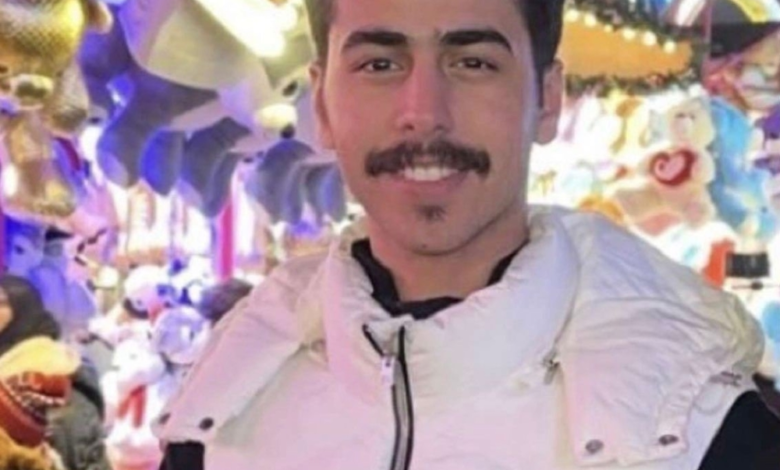

شهدت محكمة كامبريدج تطورات دراماتيكية في قضية مقتل المبتعث السعودي «القاسم»، حيث عرضت المحكمة مقطع فيديو يوثق لحظات وقوع الجريمة، وهو الدليل الذي شكل نقطة تحول حاسمة في مسار القضية. وقد جاء عرض هذا الفيديو ليدحض بشكل قاطع الحجج التي ساقها فريق الدفاع عن المتهم، والتي ارتكزت في الأساس على ادعاء «الدفاع عن النفس»، مما وضع هيئة المحلفين أمام حقائق دامغة لا تقبل التأويل.
تفاصيل الجلسة وسقوط حجة الدفاع
خلال جلسة المحاكمة، تم عرض اللقطات التي وثقتها كاميرات المراقبة في محيط موقع الحادث، والتي أظهرت بوضوح تفاصيل الاعتداء. وأوضح الادعاء العام أن الفيديو يكشف أن المبتعث القاسم لم يكن البادئ بالعدوان، بل كان في موقف الضحية التي تعرضت لهجوم مباغت. هذا الدليل المرئي كان كافياً لنسف استراتيجية الدفاع التي حاولت تصوير الجاني كشخص كان يحاول حماية نفسه، حيث أظهرت التحركات ولغة الجسد في الفيديو نية مبيتة أو عدوانية غير مبررة من قبل المتهم، مما يرجح كفة القتل العمد أو الاعتداء المفضي إلى الموت دون مبرر قانوني.
السياق العام وأهمية الأدلة الرقمية
تأتي هذه المحاكمة في وقت يتزايد فيه الاعتماد على الأدلة الرقمية والمرئية في المحاكم الجنائية حول العالم. وتكتسب قضية المبتعث القاسم أهمية خاصة نظراً لكونها تمس شريحة واسعة من المبتعثين السعوديين في الخارج. إن وجود أدلة مادية قوية مثل تسجيلات الفيديو يقلل من مساحة المناورة القانونية للجناة ويضمن تحقيق العدالة بشكل أسرع وأكثر دقة. وقد أثار هذا المقطع حالة من التأثر داخل قاعة المحكمة، نظراً لبشاعة الموقف ووضوح الظلم الذي وقع على الضحية.
تأثير الحادثة على المجتمع الطلابي والمحلي
أعادت هذه القضية تسليط الضوء على التحديات الأمنية التي قد يواجهها الطلاب الدوليون والمبتعثون في الخارج. وقد أحدثت تفاصيل الجريمة صدمة في أوساط المبتعثين في المملكة المتحدة والمجتمع السعودي بشكل عام، وسط مطالبات واسعة بضرورة إنزال أقصى العقوبات بالجاني ليكون عبرة لغيره. ويترقب الجميع صدور الحكم النهائي الذي من المتوقع أن يتأثر بشكل كبير بالأدلة الدامغة التي قدمت في هذه الجلسة، مما يعزز الثقة في نزاهة الإجراءات القضائية وقدرتها على الاقتصاص للضحايا.
وفي الختام، تظل قضية المبتعث القاسم تذكيراً مؤلماً بضرورة توخي الحذر، وفي الوقت ذاته، دليلاً على أن الحقائق لا يمكن طمسها طالما وجدت الأدلة التي تظهرها، حيث بات من المؤكد أن حجة الدفاع عن النفس قد تهاوت تماماً أمام سطوة الحقيقة التي وثقتها الكاميرات.