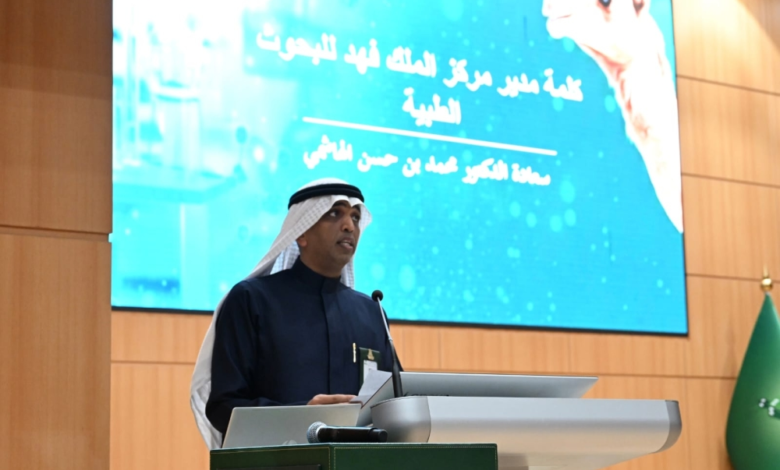

على الرغم من أن حليب الإبل يشكل نسبة ضئيلة لا تتجاوز 0.4% من إجمالي إنتاج الحليب العالمي، إلا أنه بات يتصدر المشهد العلمي كأحد أهم الموارد الواعدة في مجالات التقنية الحيوية والابتكار الصحي. هذا التناقض بين ندرة الإنتاج وضخامة القيمة العلمية كان المحور الرئيس لورشة العمل المتخصصة التي نظمها مركز الملك فهد للبحوث الطبية بجامعة الملك عبدالعزيز، تحت عنوان «الإبل عند مفترق طرق الابتكار الصحي والتقنية الحيوية»، والتي سلطت الضوء على التحول الجذري في النظرة إلى هذه الكائنات من مجرد موروث شعبي إلى ثروة علمية استراتيجية.
وفي سياق التوسع المعرفي حول أهمية هذا الحدث، يشار إلى أن الإبل تمتلك جهازاً مناعياً فريداً يميزها عن بقية الثدييات، حيث تنتج ما يعرف بـ «الأجسام المضادة النانوية» (Nanobodies). هذه الجزيئات الدقيقة تتميز بصغر حجمها وثباتها العالي وقدرتها الفائقة على اختراق الأنسجة والخلايا التي تعجز الأجسام المضادة التقليدية عن الوصول إليها. وقد فتحت هذه الخصائص البيولوجية آفاقاً واسعة للعلماء لتطوير علاجات متقدمة للأمراض المستعصية، بما في ذلك السرطان والأمراض الفيروسية، مما يجعل من الإبل «مفاعلات حيوية» طبيعية لإنتاج أدوية المستقبل.
وتناولت الورشة التي شهدت حضوراً نوعياً من الخبراء، محاور دقيقة ربطت بين ثروة الصحراء ومستهدفات المملكة في الأمن الغذائي والدوائي. وناقش المشاركون كيف يمكن للإبل أن تكون ركيزة أساسية في استراتيجيات التكيف مع التغير المناخي؛ ففي حين تستهلك الأبقار كميات هائلة من المياه والأعلاف لإنتاج الحليب، تقدم الإبل نموذجاً للإنتاج المستدام في البيئات القاحلة وشبه القاحلة، مما يعزز من قيمتها الاقتصادية والبيئية في منطقة الشرق الأوسط والعالم.
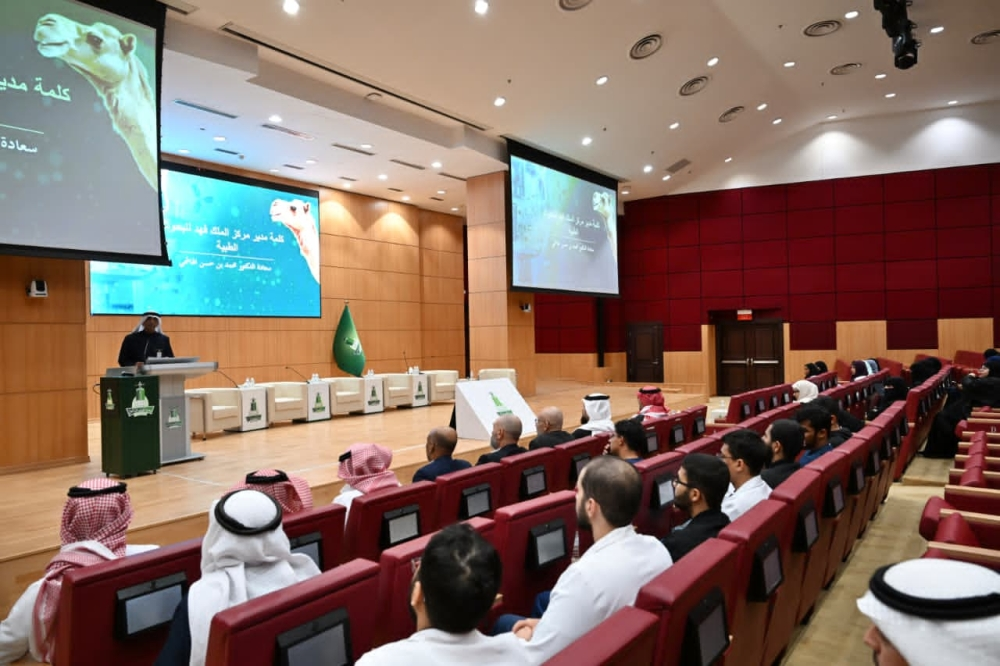
وشهدت الجلسات العلمية نقاشات معمقة قادها نخبة من الأكاديميين، منهم الدكتور ثامر الأنديجاني، والدكتور فيصل الزهراني، والدكتور شريف الكفراوي، والدكتور هشام طيب، والدكتور علاء خضر، والدكتور أيمن عباس. وقد ركزت أطروحاتهم على استغلال تقنيات النانو الطبية لإعادة تشكيل مفاهيم الوقاية والعلاج، بالإضافة إلى دراسة الفيروسات المشتركة وسبل الوقاية منها، مما يعكس الدور الريادي للمملكة في قيادة الأبحاث المتعلقة بطب الإبل وتقنياتها.
ويكتسب هذا الحراك العلمي زخماً إضافياً تزامناً مع تسمية عام 2024م بـ «عام الإبل» في المملكة العربية السعودية، وهي مبادرة تعكس الاعتزاز بالقيمة الثقافية والحضارية لهذا الكائن الذي رافق إنسان الجزيرة العربية عبر العصور. فبعد أن كانت الإبل وسيلة للحياة والبقاء في الصحراء القاسية، أصبحت اليوم -بفضل البحث العلمي- جسراً نحو المستقبل، ومصدراً للإلهام في مختبرات التقنية الحيوية، مما يؤكد أن الأصالة والمعاصرة يمكن أن يجتمعا لخدمة البشرية.
ختاماً، أكد الخبراء أن القيمة السوقية والطبية لحليب الإبل مرشحة للنمو المتسارع، ليس فقط كغذاء وظيفي غني بالفوائد، بل كمادة خام للصناعات الدوائية المتقدمة، مما يستدعي تكثيف الاستثمار في الأبحاث والتطوير لضمان استثمار هذه الثروة الوطنية بما يخدم رؤية المملكة الطموحة في ريادة قطاعي الصحة والتقنية.