
In a shocking and unexpected scene within the halls of one of the world's most iconic sporting venues, Camp Nou witnessed a remarkable incident that sparked widespread controversy. Heavy rains flooded the media seating area and various sections of the stands. This incident was not merely a passing event; it triggered a wave of discontent and legitimate questions about the efficiency of the management during the transition phase of one of the largest urban development projects in the history of European football.
Critical timing and an ambitious project
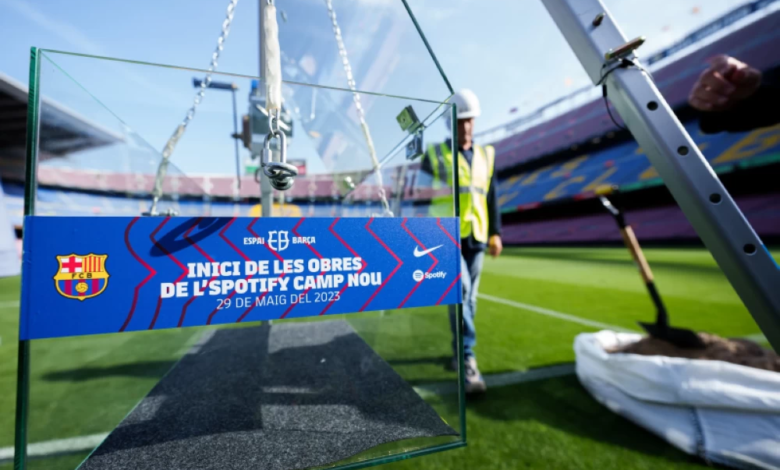
This incident comes at a highly sensitive time for FC Barcelona, as the Catalan club's historic home ground is undergoing a comprehensive and ambitious renovation as part of the "Espai Barça" project. This project, intended to redesign the stadium according to the highest modern technological and engineering standards, aims to transform the surrounding area into a world-class sports and entertainment hub. However, this incident has reignited the heated debate surrounding the ability of the club and the contractors to carefully balance accelerating the pace of development work with ensuring the facilities are ready to host events or even protected from the elements during the construction period.
The media is at the mercy of the rain
What was striking was that the water leak directly affected the media areas, the very areas considered the club's "face" to the outside world. Several journalists were forced to relocate haphazardly or take hasty, desperate measures to protect their expensive electronic equipment and cameras, all while images of Camp Nou were being broadcast to millions of viewers worldwide. This scene, though seemingly a mere accident to some, carried profound and negative implications for the image of organization and professionalism at one of the game's most prominent venues, potentially damaging the club's marketing reputation.
A rich history facing the challenges of modernization
Historically, Camp Nou opened in 1957 and remained for decades the largest stadium in Europe and one of Barcelona's most iconic landmarks. Over time, however, the stadium's infrastructure has become in dire need of modernization to meet contemporary demands and the safety and comfort standards offered by competing modern stadiums. The challenge facing the club today extends beyond construction; it also includes preserving the legacy of this iconic venue during this complex transformation process, as any compromise in safety or comfort standards could damage the strong bond between the club and its vast fan base.
Tebas intervenes with a veiled message
The problem wasn't limited to the media platform; similar complaints were registered from fans in some stands, amidst widespread discontent. In response, La Liga's official reaction was swift. League president Javier Tebas addressed the incident with a calm, diplomatic tone, but one that carried a clear warning. Tebas emphasized that the league rigorously and continuously monitors stadium readiness, stressing that regulatory standards remain in place and binding even during modernization and renovation projects.
Tebas’s statement was widely understood in sporting circles as a direct warning to Joan Laporta’s administration, implying that development is welcome and necessary to increase the club’s future economic revenues, but the image and global standing of La Liga cannot tolerate elementary mistakes that affect the quality of television broadcasting or the experience of fans and media personnel.