Arab and Islamic condemnation of the US ambassador's statements about Israel

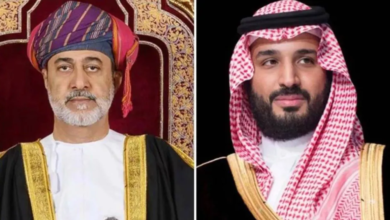
Numerous Arab and Islamic countries, along with major regional organizations, have strongly condemned recent statements by the US ambassador regarding what he termed "Israel's right to the Middle East." These entities consider such statements to be a blatant bias and a disregard for established historical and legal facts, sparking a wave of diplomatic and public outrage in the region.
The context of the statements and their contradiction with international law
These statements come at a time of escalating political tensions in the region, where any diplomatic pronouncement from a superpower like the United States is viewed with extreme sensitivity. Observers emphasize that discussing "rights" outside the framework of international law and Security Council resolutions threatens to undermine the already faltering peace process. Historically, the Arab and Islamic position is based on UN resolutions that consider the Palestinian territories occupied in 1967 as territories from which withdrawal is necessary for the establishment of an independent Palestinian state with East Jerusalem as its capital. Any discourse that deviates from these established principles is considered an attack on the core of the Palestinian cause.
The unified Arab position and the peace initiative
Statements issued by the Arab League and the Organization of Islamic Cooperation reiterated the established frameworks for peace, foremost among them the Arab Peace Initiative launched at the Beirut Summit in 2002. This initiative clearly stipulates that a comprehensive and just peace is a strategic Arab choice, but it is contingent upon Israel's withdrawal from the occupied Arab territories and reaching a just solution to the refugee problem. Consequently, the US ambassador's statements are interpreted in Arab capitals as an attempt to circumvent this initiative and impose new realities on the ground that contradict the principle of "land for peace.".
Expected regional and international repercussions
Political analysts believe the danger of these statements lies not only in their wording but also in their timing and potential impact on regional stability. Adopting such rhetoric by American diplomats could weaken Washington's role as an impartial mediator in the peace process and exacerbate tensions in the Arab and Muslim world. Experts also warn that legitimizing expansion or annexation under the guise of "historical right" could open the door to disastrous religious and ideological conflicts, instead of confining the dispute to its political and legal framework, which is more amenable to resolution.
In conclusion, the condemning parties called on the international community to assume its responsibilities in obliging all parties to abide by the rules of international law, and to refrain from provocative statements that only serve to fuel the conflict and complicate the political landscape in the Middle East.