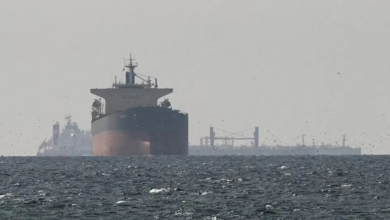

Oil prices plunge amid hopes of de-escalation
Global energy markets have witnessed significant shifts, with oil prices falling by nearly 6% in recent trading. This notable decline comes amid growing expectations of a potential ceasefire agreement in the Middle East, which would alleviate concerns about supply chain disruptions from one of the world's most important production regions. These positive market developments followed diplomatic reports indicating that the United States had presented Iran with a comprehensive 15-point plan aimed at ending the state of war and escalating tensions between the parties involved.
Trading figures and a decline in futures contracts
In terms of figures and trading, Brent crude futures, the global benchmark, fell by $6.21, or 5.9%, to $98.28 a barrel by 00:58 GMT. Similarly, US crude was not far behind in this downward trend, with West Texas Intermediate (WTI) crude futures dropping by $4.67, or 5.1%, to settle at $87.68 a barrel. These declines come after a period of volatile trading in the markets.
Market volatility and expert analysis
It is worth noting that both benchmark crude oils had risen by about 5% during Tuesday's trading session before relinquishing those gains in highly volatile trading after the close. In this context, Hiroyuki Kikukawa, senior analyst at Nissan Securities Investment, explained that the growing optimism surrounding a ceasefire had led to a slight increase in market sentiment, prompting investors to engage in profit-taking. Kikukawa added that the prospects for the success of the negotiations remain uncertain, which is the primary factor limiting further selling. He cautioned that oil prices could rebound sharply if fighting resumes or attacks spread to include vital energy facilities in neighboring countries.
The historical context of the Middle East's influence on energy
Historically, the Middle East has been a primary driver of global oil price volatility. The region is a vital artery of the global economy, with a significant portion of the world's oil supply passing through the Strait of Hormuz alone. In recent decades, regional conflicts and persistent geopolitical tensions have triggered oil shocks that have directly impacted inflation and economic growth rates in major industrialized nations. Therefore, any indication of de-escalation or escalation is immediately reflected on trading screens in global stock exchanges.
Expected economic impact of falling prices
On a broader economic level, the decline in oil prices to below $100 per barrel has positive effects for consuming countries. For energy-importing nations, this drop provides a vital boost, helping to curb global inflation that has strained central banks and forced them to raise interest rates. Regionally, stable prices at moderate levels ensure a continued flow of revenues without triggering a global recession that could harm future oil demand—a concern that alliances like OPEC+ constantly strive to address.