Nine workers killed in a coal mine explosion in Colombia due to gas buildup

Nine miners died in a tragic accident on Monday following a powerful explosion at a legal coal mine in the municipality of Sotatausa, Cundinamarca department, in central Colombia. Official authorities confirmed the death toll as final after search and rescue operations concluded, which successfully pulled six other miners alive from the rubble. The survivors were immediately transported to nearby hospitals for treatment of varying injuries.
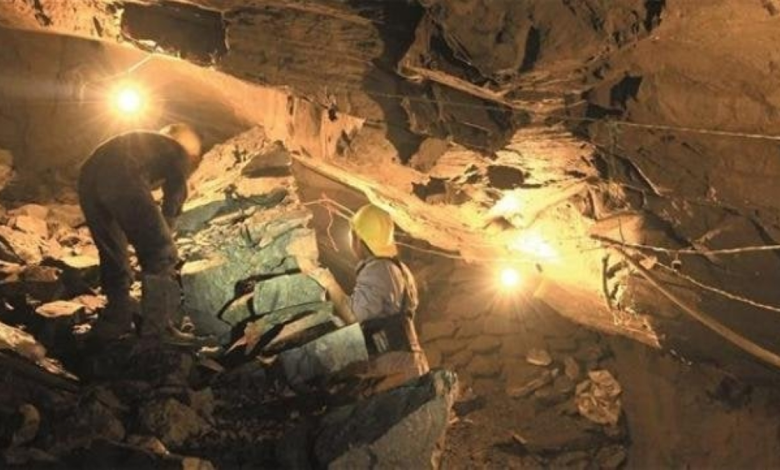
The explosion, believed to have been caused by a dangerous buildup of methane gas, occurred at a depth of approximately 600 meters below the surface, initially trapping 15 miners. The harsh conditions inside the mine posed a significant challenge to the rescue teams from the National Mining Agency (ANM), who worked tirelessly to reach the trapped miners in a race against time.
General context: The mining sector in Colombia and a history of accidents
Colombia is one of the largest coal producers in Latin America, and the mining sector is a vital part of its national economy. However, this sector is fraught with danger, and the country's history is replete with similar mine accidents that have claimed hundreds of lives over the years. The majority of these accidents are concentrated in the departments of Cundinamarca and Boyacá, where underground mines are prevalent.
Methane gas explosions, nicknamed the “silent killer,” are the most common cause of these disasters. This gas forms naturally in coal seams, and if adequate ventilation and continuous monitoring of its levels are not provided, it can accumulate and ignite with any spark, leading to devastating explosions. Although this incident occurred in a legally operating mine, it highlights that the dangers are not limited to the numerous illegal mines across the country, which lack even the most basic safety standards.
Importance and impact: Renewed calls to enhance safety
The incident caused shock and deep sorrow in the local community and reignited the national debate about the need for stricter oversight and the enforcement of occupational safety standards in all mines, both legal and illegal. The National Mining Agency issued a statement confirming that it had launched an immediate and thorough investigation to determine the precise causes of the explosion and to hold accountable any party found to be negligent.
Regionally, this incident is seen as a painful reminder of the dangers miners face daily across Latin America. Labor unions and human rights organizations are expected to pressure the Colombian government to take stronger measures to protect workers' lives, including investing in modern gas detection technologies and improved ventilation systems, as well as intensifying crackdowns on illegal mining, which remains the biggest source of tragedy in this vital and hazardous sector.