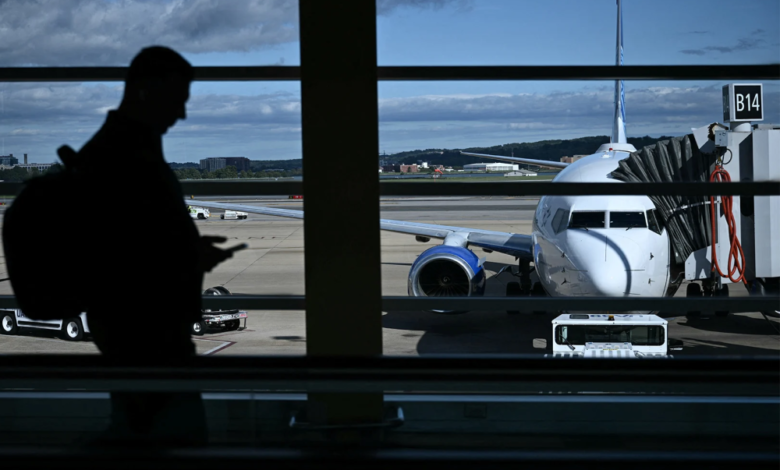

In a move reflecting a significant shift in bilateral relations, Bangladesh and Pakistan direct flights, ending a 14-year hiatus. Bangladesh's national carrier, Biman Bangladesh Airlines, officially announced the launch of its first flight from the capital, Dhaka, to the Pakistani city of Karachi, marking a new phase of air connectivity between the two South Asian nations.
Details of the return of the airline
According to the official announcement, Biman's inaugural flight took off, reconnecting what had been severed since 2012. This vital route is scheduled to operate at a rate of two flights per week, providing a direct option for travelers who, for the past decade and a half, have had to rely on transit flights through third countries, often in the Middle East, which increased the cost and duration of travel.
Context of convergence: From sea to air
This decision did not come out of thin air; rather, it appears to be part of a series of steps aimed at strengthening ties between the two sides. Reports indicate that the resumption of flights followed a similar move on the maritime front, with direct sea links between Karachi and Chittagong ports being reinstated in November 2024. Observers suggest that the sequential reopening of sea and then air routes reflects a mutual desire to overcome the diplomatic stalemate and activate direct channels of communication.
Historical background and reasons for the cessation
To understand the significance of this event, one must look at the historical background of relations that have been strained and lukewarm for long periods since Bangladesh's independence from Pakistan in 1971. Relations have deteriorated significantly in the last two decades, leading to the suspension of direct flights in 2012. This cessation was symbolic of the state of political estrangement, as it directly affected the movement of people and diplomatic and popular contact between the two countries.
Economic and social importance
of air travel is expected to have positive effects on multiple levels:
- Economically: The direct line will contribute to facilitating the movement of businessmen and investors, especially in the textile and trade sectors, which have been suffering from logistical difficulties.
- Socially: This decision will represent a major breakthrough for families divided between the two countries, as it will facilitate family reunification and visits that previously required considerable effort and money.
- From a tourism perspective: To promote travel for tourism purposes and to explore shared cultural landmarks in the Indian subcontinent.
This move will redraw the map of air transport in the region, confirming that economic interests and popular ties remain a strong incentive to rebuild bridges even after many years of estrangement.