The Security Council will discuss the issues of Sudan, Iran, and Myanmar in a crucial week

The United Nations headquarters in New York is witnessing intense diplomatic activity this week, as the Security Council a series of crucial meetings and briefings from December 22 to 26. These sessions come at a critical juncture, marked by escalating geopolitical tensions, placing the Council under immense pressure to address complex issues stretching from Southeast Asia to the Middle East and Africa.
The crisis in Myanmar: A search for diplomatic solutions
The Council will begin its work with a closed meeting dedicated to discussing the deteriorating situation in Myanmar . This meeting comes at the joint request of the Republic of Korea and the United Kingdom (the penholder on this file), given the ongoing political and humanitarian crisis that has gripped the country since the military coup in February 2021.
The UN Secretary-General’s Special Envoy, Julie Bishop, is scheduled to provide a comprehensive briefing on the latest developments, along with Tan Sri Osman Hashim, the Special Envoy of the Chairperson of the Association of Southeast Asian Nations (ASEAN). These briefings are crucial for assessing the parties’ adherence to ASEAN’s “Five-Point Consensus” and for exploring pathways to end the violence that has displaced millions and exacerbated the humanitarian crisis in the region.
Sudan: Humanitarian catastrophe on the table
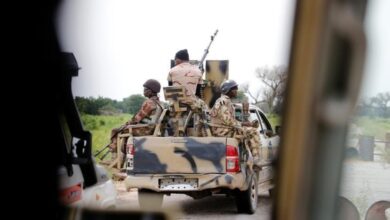
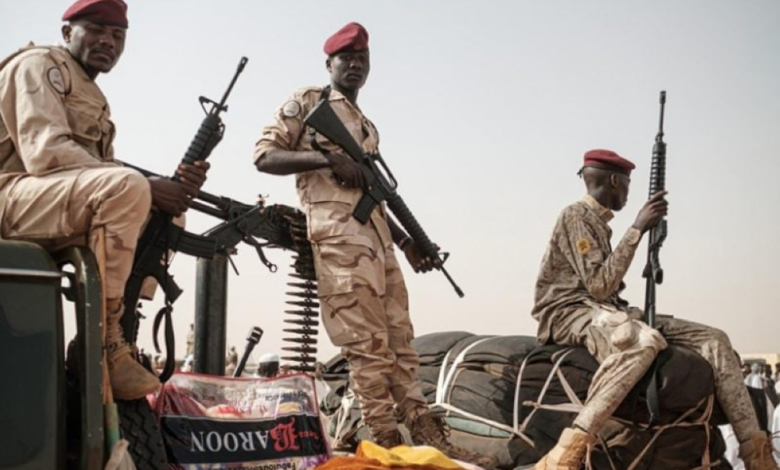
On African and Arab affairs, the Security Council is holding an open briefing on the situation in Sudan , in response to an official request from the Sudanese government and with strong support from influential international blocs, including the "A3 Plus" group (Algeria, Sierra Leone, Somalia, and Guyana) as well as China, Russia, and Pakistan.
This session comes amid the ongoing armed conflict that erupted in mid-April 2023, which has created one of the world's largest displacement crises. Assistant Secretary-General Mohamed Khaled Khiari and the Director of the Crisis Response Division, Edem Wosorno, will provide detailed reports on the developments on the ground and the catastrophic humanitarian situation, amid continued UN warnings of the risk of famine and the spread of disease, which necessitates urgent international intervention to ensure aid delivery and the protection of civilians.
The Iranian nuclear issue and international tensions
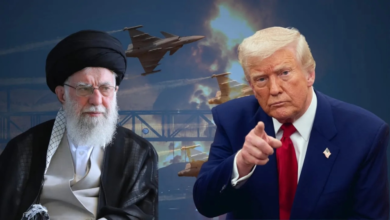
In the context of international security, the Security Council will hold a session on Tuesday to discuss the implementation of Resolution 2231 concerning the Iranian nuclear agreement (the Joint Comprehensive Plan of Action). The session, convened at the request of prominent Western countries including the United States, France, and the United Kingdom, aims to review the Secretary-General's report on Tehran's compliance with the agreement's provisions, at a time of heightened tensions in the region and growing fears of a nuclear arms race.
The Council is also discussing, at the request of Venezuela and with Russian and Chinese support, the item on "threats to international peace and security," reflecting the state of sharp international polarization within the Council's corridors.
Expected decisions and regional follow-ups
The Council's agenda is not limited to these issues. Members are also continuing negotiations on renewing the mandates of vital peacekeeping missions, such as UNDOF in the Golan Heights, the African Union Mission in Somalia, and the Counter-Terrorism Executive Committee. The Council is also monitoring border tensions between Cambodia and Thailand and is preparing a presidential statement to mark the 30th anniversary of the Dayton Peace Agreement in Bosnia and Herzegovina, underscoring the comprehensive nature of the challenges facing the international system at the end of this year.