The White House threatens Iran with deadly force, and Trump brandishes the threat of airstrikes

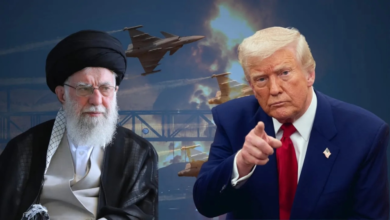
The White House has intensified its threats against the Iranian regime, brandishing the possibility of direct military force amid escalating popular protests in Iranian cities, which have been met with violent repression by the authorities. This escalation marks a new phase of tension between Washington and Tehran, with the US administration keeping all options on the table, including military action, to protect the protesters.
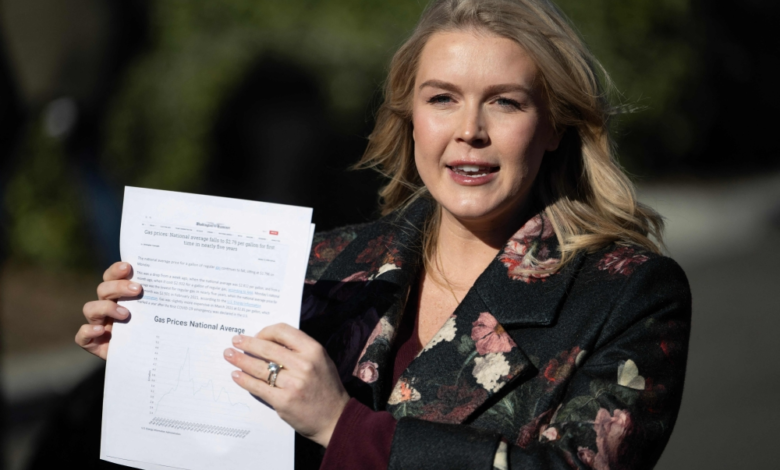
In a notable interview with Fox News, White House Press Secretary Carolyn Leavitt confirmed that President Donald Trump still prefers diplomacy as his first choice, but that he "is not afraid to use lethal force and the full might of the U.S. military if necessary." Leavitt clarified that airstrikes remain one of the many options available to the Commander-in-Chief, noting that the President has been clear in his unequivocal rejection of the scenes of bloodshed in the streets of Tehran.
Historical context and renewed tension
This show of military force is not unprecedented in the decades-long history of strained US-Iranian relations, but its timing is particularly significant. Relations between the two countries have long been characterized by periods of tension and rapprochement, especially concerning human rights, the nuclear program, and regional influence. These threats are reminiscent of the “maximum pressure” policy, in which Washington seeks to exploit internal unrest in Iran to pressure the regime, relying on a long history of economic sanctions and political isolation imposed on Tehran.
Tehran between escalation and negotiation
In contrast, Tehran declared its readiness for both war and negotiation scenarios. The Iranian Foreign Ministry confirmed an open channel of communication with US Special Envoy Steve Wittkopf, indicating a tacit desire to avoid all-out confrontation despite the fiery rhetoric. The US president had revealed that the Iranian leadership had contacted him with the aim of negotiating after he threatened military action, saying, “They want to negotiate, but we may have to act before a meeting can take place.”.
Potential regional and international repercussions
This escalation is raising widespread concerns both regionally and internationally. From a geopolitical perspective, any US military action against Iran could destabilize the entire Middle East, directly impacting maritime security in the Strait of Hormuz and global energy supplies, which would typically result in an immediate spike in oil prices. European capitals and regional allies are also cautiously monitoring the implications of this escalation, fearing a slide into open conflict that could prove difficult to contain, at a time when numerous international actors are striving to de-escalate existing tensions.