International Camel Racing Federation: Strategic plans to develop the sport globally

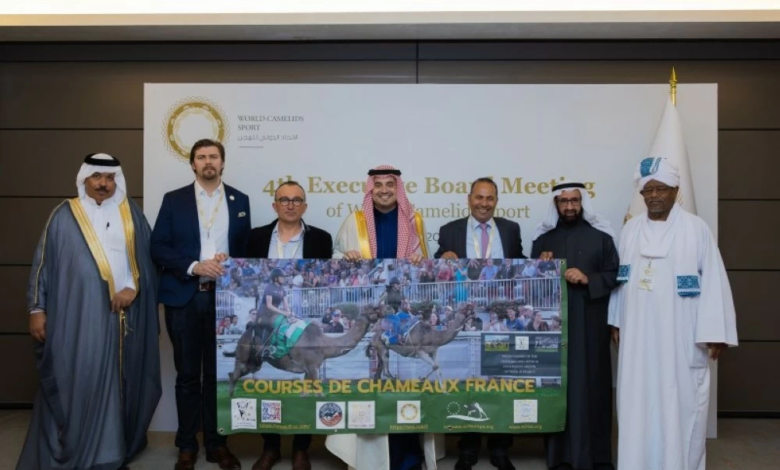
In a move aimed at enhancing the status of traditional sports on the international stage, the International Camel Racing Federation is discussing a set of ambitious strategies and plans to develop camel racing globally. These discussions are part of the Federation's ongoing efforts to elevate this time-honored sport beyond its regional Arab and Gulf context to become a strong competitor on the international sporting stage, while preserving its authentic cultural identity.
International expansion and regulation strategies
Discussions within the International Camel Racing Federation are focused on establishing unified standards and regulations to govern the sport worldwide. This includes standardizing refereeing systems, track specifications, and anti-doping controls, as well as regulating the use of modern technologies such as robotic jockeys, which have replaced human jockeys in most official races to ensure safety and fairness. This regulatory standardization aims to facilitate joint international championships and attract sports federations from other continents to join the sport.
Historical roots and cultural heritage
It is impossible to discuss the development of camel racing without addressing its deep historical roots. It is not merely a competitive sport, but an integral part of Arab identity and authentic Bedouin heritage. Camels have long been the "ships of the desert" and companions of the Arab people in their travels and settlements. The relationship between camels and the Arab people has evolved from relying on them for transportation and goods to showcasing their speed and beauty at events and celebrations. Today, relevant authorities, most notably the International Federation of Camel Racing, are working to leverage this rich heritage, some aspects of which, such as the "Hudaa" (camel-driving song), have been documented on UNESCO's Representative List of the Intangible Cultural Heritage of Humanity, to serve as a bridge for cultural exchange between peoples.
Economic and tourism dimensions
Beyond its cultural and sporting dimensions, the federation also discusses maximizing the economic returns of this sport. Camel racing has transformed into a massive industry, generating millions of dollars annually through valuable prizes, the buying and selling of racing camels, and television broadcasting rights. It also plays a pivotal role in boosting sports tourism, with major festivals, such as the Crown Prince Camel Festival in Saudi Arabia or similar events in the UAE and Qatar, attracting thousands of tourists and enthusiasts from around the world, thus stimulating local economic activity and creating new job opportunities.
Towards a global future
In conclusion, these serious moves by the International Camel Racing Federation represent a pivotal turning point in the history of the sport. Through partnerships with global sports organizations and professional media promotion, the coming years are expected to witness a wider spread of camel racing venues in Europe, Australia, and America, thus solidifying the sport's position as one of the most important heritage sports that has successfully adapted to the times without abandoning its authenticity.