In a new escalation, the United States announced a package of economic sanctions targeting a complex military trade network between Tehran and Caracas, with a particular focus on the drone sector. These measures are part of Washington's efforts to undermine the growing cooperation between the Iranian and Venezuelan regimes, which the US administration considers a direct threat to its national security and strategic interests in the Western Hemisphere and the Middle East.
Details of sanctions and targeted entities
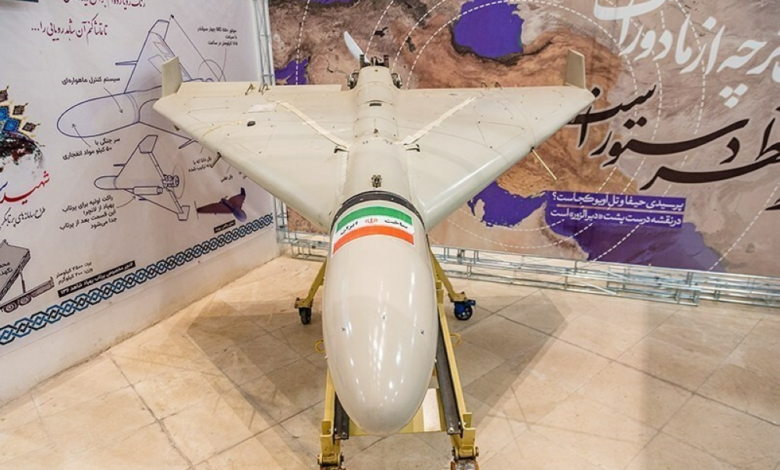
The sanctions imposed by the US Treasury Department included blacklisting 10 individuals and legal entities, spread across Iran and Venezuela. These sanctions are based on evidence indicating their involvement in deals to purchase Iranian-made drones, as well as persistent attempts to acquire chemicals and precision technical components used in developing ballistic missile programs.
Among the most prominent entities targeted by the sanctions is the Venezuelan company Impresa Aeronáutica Nacional SA and its chairman. According to official US data, this company played a pivotal role in importing and localizing Iranian drone technology, contributing to multi-million dollar deals for combat drones, reflecting the depth of military cooperation between the two countries.
The geopolitical context and the alliance against Washington
This event cannot be understood in isolation from the historical and political context of relations between Tehran and Caracas. Both countries, subject to harsh US sanctions, have worked to strengthen their strategic alliance in recent years as a united front against American pressure. Washington views with grave concern the transfer of Iranian military technology, particularly drones—which have proven effective and inexpensive in multiple conflict zones—to the United States' backyard in Latin America.
In this regard, John Hurley, Under Secretary of the Treasury for Terrorism and Financial Intelligence, stated, "The Treasury Department is holding Iran and Venezuela accountable for their continued and reckless proliferation of deadly weapons around the world." Hurley emphasized in his statement that the U.S. administration will continue to take swift and decisive action to deny any party that facilitates Iran's military-industrial complex access to the U.S. financial system.
Escalating field and political pressures
The announcement of these sanctions coincides with a significant escalation in the military and political campaign waged by the Trump administration against the regime of Venezuelan President Nicolás Maduro. In a notable development, Trump announced that US forces had conducted a strike that destroyed a dock believed to be used for drug-smuggling boats from Venezuela, in what could be considered the first ground strike in the anti-drug campaign in the region.
For his part, Thomas Pigot, spokesperson for the U.S. State Department, explained that Iran's continued supply of conventional weapons to Caracas poses a threat to U.S. interests. He noted that the listed entities demonstrate Iran's activity in deploying its combat drones and violating international restrictions related to missiles. Washington believes that these programs not only threaten Americans but also destabilize commercial shipping in vital waterways such as the Red Sea, thus adding a dangerous international dimension to this bilateral cooperation.