Trump calls on Maduro to step down, and Russia supports Venezuela against sanctions

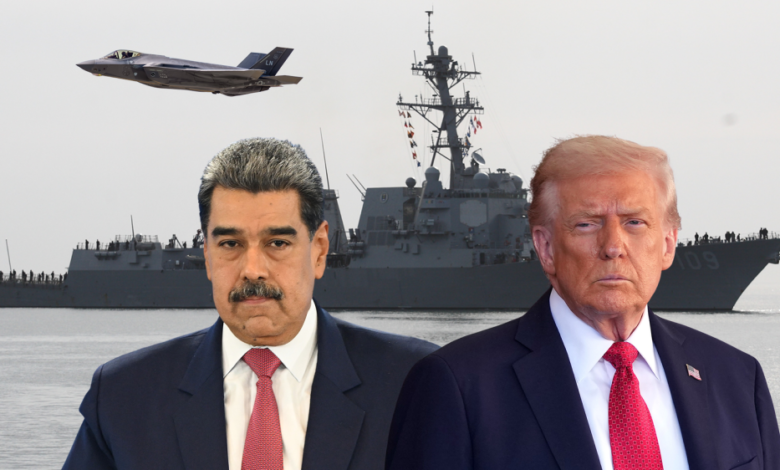
In a new chapter of escalating tensions between the United States and Venezuela, US President Donald Trump explicitly called on his Venezuelan counterpart, Nicolás Maduro, to step down, describing such a move as "wise." These remarks come at a time of sharp polarization in international relations, particularly with Russia's strong entry into the crisis, declaring its full support for Caracas in the face of what it termed "American piracy.".
Trump from Florida: The decision is in Maduro's hands
Speaking to reporters from his Florida residence, and in response to questions about whether current U.S. pressure is aimed at ending Maduro's 12-year rule, Trump opted for diplomatic language laced with veiled threats. "It's up to him to decide what he wants to do, but I think it would be wise for him to step down," Trump said. This statement reflects a continuation of the U.S. approach of pressuring the Venezuelan regime, which views a change in leadership in Caracas as essential for restoring democracy and economic stability in the country.
Russia: Unwavering support in the face of the "blockade"
On the other side of the world, Moscow was quick to respond. Russia declared its full support for Venezuela, condemning the recent US actions targeting Venezuelan oil tankers. In a phone call between Venezuelan Foreign Minister Iván Gil and his Russian counterpart Sergey Lavrov, the strength of the alliance between the two countries was reaffirmed.
The Venezuelan minister noted that the talks addressed "flagrant violations of international law in the Caribbean region," describing the US interception of Venezuelan ships as "acts of piracy" and extrajudicial killings. For his part, Lavrov affirmed Russia's full solidarity with the Venezuelan leadership and people under the current circumstances, expressing the Kremlin's deep concern over Washington's escalating actions.
Background of the conflict and its geopolitical dimensions
This event cannot be understood in isolation from its complex historical and geopolitical context. Venezuela, which possesses the world's largest proven oil reserves, has been experiencing a severe political and economic crisis for years, exacerbated by harsh US sanctions aimed at crippling the regime's revenue streams. Washington considers the Maduro regime illegitimate, accusing it of election fraud and repressing the opposition.
In contrast, Russia views Venezuela as a vital strategic ally in the United States' backyard (Latin America). Russian support stems not only from economic and military alliances but also serves as a geopolitical message to Washington amidst the current global conflict. Observers believe that the current escalation, particularly the targeting of oil tankers, could impact global energy markets and heighten tensions within the UN Security Council, which is preparing to hold an emergency meeting to discuss the crisis, potentially leading to a heated diplomatic confrontation between the major powers.