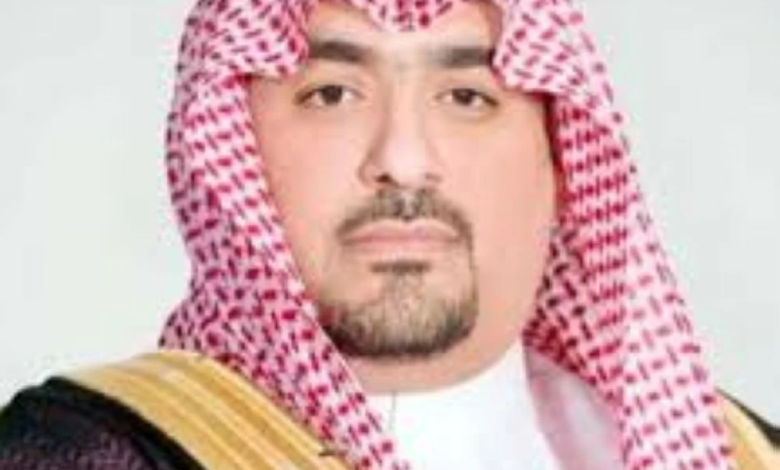
Saudi Arabia’s Minister of Economy and Planning, Faisal Al-Ibrahim, affirmed that the Kingdom’s participation in the 2026 World Economic Forum Annual Meeting in Davos embodies its pivotal and growing role in shaping the global economic agenda. He noted that this strong presence stems from the unique transformative experience the Kingdom is undergoing under the umbrella of “Vision 2030,” and complements its efforts as an active partner in achieving comprehensive development and creating sustainable solutions to international challenges.
In a statement to the Saudi Press Agency, Al-Ibrahim revealed remarkable figures reflecting the success of economic diversification policies. He explained that approximately 74 out of 81 non-oil economic activities achieved annual growth exceeding 5% over the past five years. Most notably, 38 of these activities recorded growth exceeding 10%, reflecting a genuine and profound expansion of the Saudi economy's productive base, independent of the volatility of energy markets.
The context of economic transformation and Vision 2030
These figures are a direct result of the structural reforms launched by the Kingdom since the announcement of "Saudi Vision 2030" in 2016. The Saudi government has worked to reduce its overall dependence on oil as the primary source of income by investing heavily in promising sectors such as tourism, entertainment, mining, and manufacturing. Current data demonstrates the success of this strategy in creating a more resilient and diversified economy, capable of absorbing global shocks and achieving stable growth rates.
Regional and international impact
Internationally, this growth reinforces the Kingdom's position as an active member of the G20 and as an influential economic power in the Middle East. The Minister explained that the upcoming forum will highlight key themes aimed at institutionalizing international cooperation, noting that the Kingdom's experience in creating new growth engines offers a model for countries seeking economic transformation.
Innovation and artificial intelligence as pillars of the future
In a related context, Al-Ibrahim emphasized that stimulating global economic transformation requires a collaborative model based on enhancing productive efficiency. He pointed to the importance of expanding the adoption of digital solutions and artificial intelligence technologies, and investing in human capital, as fundamental pillars for raising productivity levels and generating quality growth opportunities. This approach underscores the Kingdom's commitment to building a resilient and sustainable economic system that supports prosperity not only domestically, but also in emerging and global markets.