Mohamed Salah leaves Liverpool: The secret behind a crucial meeting with Steven Gerrard

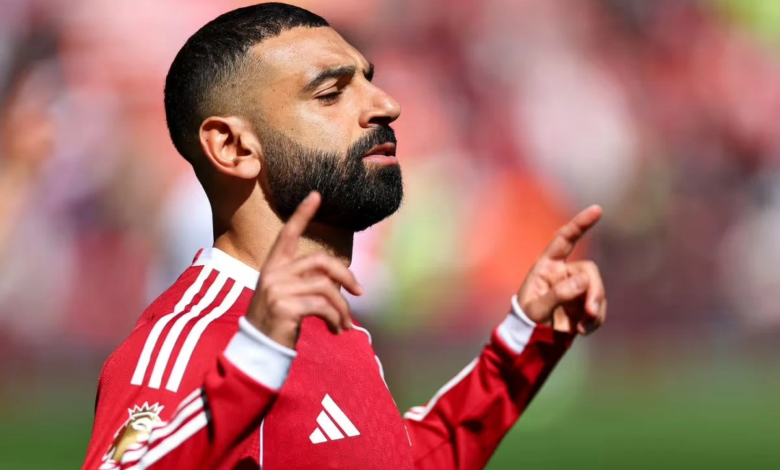
In a move that marks the end of an era at Liverpool FC, Egyptian star Mohamed Salah has revealed details of his anticipated decision to leave the club at the end of the current season. Salah explained that this decision came after deep reflection and private consultations, most notably a moving meeting he had with club legend Steven Gerrard at his home earlier this year. This meeting appears to have finalized the future of the "Egyptian King" outside the walls of Anfield.
Historical context: A career filled with gold and records
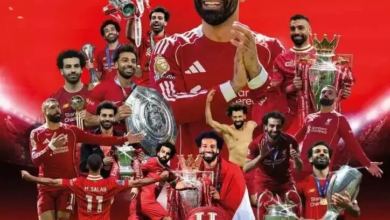
Mohamed Salah joined Liverpool in the summer of 2017 from AS Roma, in a transfer that changed the course of the club's modern history. Over nine years, Salah transformed from a talented player into one of the club's greatest legends. He led the team to a long-awaited Premier League title in 2020 after a 30-year wait, and also won the Champions League in 2019, as well as the Club World Cup, the UEFA Super Cup, the FA Cup, and the League Cup. Individually, Salah broke countless records, winning the Premier League Golden Boot three times, being named PFA Player of the Year twice, and becoming one of Liverpool's top five scorers, cementing his status as a global icon.
Details of the crucial meeting with Gerrard
During a television interview with Steven Gerrard on TNT Sports, Salah revealed that the Liverpool legend's visit to his home in January was a pivotal moment. Gerrard advised Salah to leave on his own terms and at a time of his choosing, ensuring a "grand exit" befitting his legendary career. Salah confirmed that Gerrard's words stuck with him, reinforcing his conviction that the time had come to end his remarkable journey with the Reds, especially after a season he described as "difficult" for everyone at the club.
The expected impact of the decision to leave
Mohamed Salah's departure, coinciding with that of manager Jürgen Klopp, marks the end of one of Liverpool's most successful eras. Domestically, his exit will leave a massive and difficult-to-fill attacking void, ushering the club into a new transitional phase. Regionally and across the Arab world, Salah is a sporting and cultural icon, and his decision will resonate widely in Egypt and the Middle East, where millions are eagerly awaiting his next destination, amidst significant interest from Saudi Pro League clubs. Internationally, the transfer of one of the world's most prominent football stars will be one of the biggest events of the summer transfer window, and the English Premier League will lose one of its most attractive and influential figures of the past decade.
Future and fitness
Despite being 33 years old, the Egyptian star confirmed that he remains in excellent physical condition and has not been affected by age. He pointed out that he had a remarkable season last year and still believes he has much to offer on the pitch. Regarding his recent hamstring injury, Salah reassured fans that it is not serious, expressing his hope to return to play at least one more match before bidding farewell to Liverpool supporters. He concluded by confirming that he has not yet decided on his next destination, leaving all options open as he begins a new chapter in his professional career.