Khalid bin Salman awards Corella the King Abdulaziz Medal: Strengthening the strategic partnership

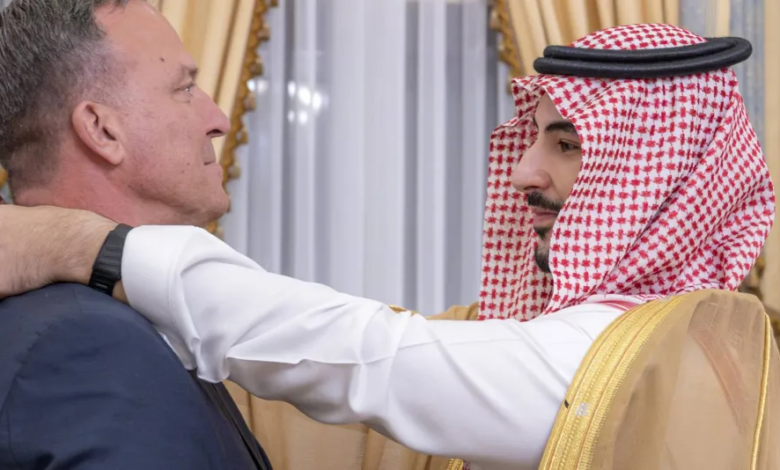
In a move reflecting the depth of the strategic relationship between the Kingdom of Saudi Arabia and the United States of America, His Royal Highness Prince Khalid bin Salman bin Abdulaziz, the Saudi Minister of Defense, presented the King Abdulaziz Medal of the First Order to General Michael Corella, Commander of the United States Central Command. This honor was bestowed upon him in accordance with the directives of the Custodian of the Two Holy Mosques, King Salman bin Abdulaziz Al Saud, and upon the guidance of His Royal Highness Prince Mohammed bin Salman bin Abdulaziz, Crown Prince and Prime Minister, in recognition of General Corella's distinguished efforts in strengthening defense cooperation between the two friendly nations.
Details of the meeting and joint military cooperation
The ceremony took place during the Saudi Defense Minister's reception of the American general in Riyadh, where the two sides held an extensive meeting. During this meeting, they reviewed the historic friendship between the Kingdom and the United States. They discussed ways to enhance military and defense cooperation, as well as a number of regional and international issues of mutual interest. Both sides emphasized the importance of continued coordination to address security challenges and ensure regional stability, reflecting their commitment to a long-standing partnership aimed at maintaining international peace and security.
The significance and importance of the King Abdulaziz Medal
The King Abdulaziz Medal is one of the highest honors in the Kingdom of Saudi Arabia, awarded to kings, heads of state, and prominent leaders who have rendered distinguished service to the Kingdom or contributed to strengthening bilateral relations. The medal bears the name of the founder of the third Saudi state, King Abdulaziz bin Abdulrahman Al Saud, lending it significant historical and symbolic weight. The awarding of this medal to the Commander of the U.S. Central Command is a clear message of appreciation for the role played by U.S. military leaders in supporting regional security and combating terrorism in cooperation with the Saudi Armed Forces.
The historical context of Saudi-American relations
This event cannot be separated from the long-standing historical context of relations between Riyadh and Washington, which spans more than eight decades, beginning with the historic meeting between the founding king and US President Roosevelt. Military cooperation has always been a cornerstone of this relationship, with the two countries working side-by-side to ensure the security of waterways, combat extremist organizations, and deter threats to the stability of the Middle East. US Central Command (CENTCOM) is a key partner in these efforts, overseeing US military operations in the region and coordinating closely with the Saudi Ministry of Defense.
Strategic importance at the current time
This recognition takes on particular significance given the complex geopolitical circumstances in the region and the world. It underscores the strength of the Saudi-American alliance and its ability to adapt to changing circumstances. It also sends reassuring signals to allies and deterrent messages to adversaries, demonstrating that military coordination between the two powers remains at its highest level. Strengthening this partnership not only serves the interests of both countries but also contributes to regional and international security, particularly with regard to securing global energy supplies and protecting international trade routes from any potential threats.