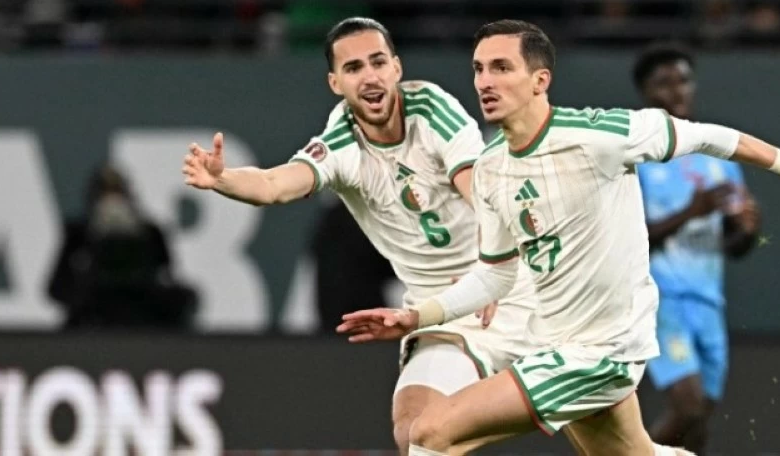

حجز المنتخب الجزائري مقعده بجدارة في الدور ربع النهائي من بطولة كأس الأمم الأفريقية 2025 المقامة حالياً في المملكة المغربية، بعدما انتزع فوزاً ماراثونياً وشاقاً على نظيره منتخب الكونغو الديمقراطية بهدف نظيف، في المواجهة التي احتضنها ملعب «الأمير مولاي عبدالله» بالرباط مساء الثلاثاء.
تفاصيل المواجهة التكتيكية والفرص الضائعة
شهدت المباراة منذ بدايتها صراعاً تكتيكياً محتدماً، حيث دخل «محاربو الصحراء» اللقاء بنية هجومية واضحة بقيادة النجم رياض محرز، لاعب الأهلي السعودي، الذي شارك أساسياً وحاول مباغتة الدفاع الكونغولي مبكراً. وجاءت أخطر الفرص بعد مرور 6 دقائق فقط، حين توغل محرز بمهارة داخل منطقة الجزاء، لكن التكتل الدفاعي للخصم وسوء الحظ حالا دون ترجمة الفرصة إلى هدف مبكر.
وعلى مدار الوقت الأصلي، تبادل المنتخبان السيطرة والاستحواذ، حيث اصطدمت المحاولات الجزائرية بصلابة بدنية وتنظيم دفاعي محكم من جانب «الفهود»، مما أدى إلى ندرة الفرص المحققة وغياب اللمسة الأخيرة الحاسمة، لينتهي الوقت الأصلي بالتعادل السلبي ويحتكم الفريقان إلى الأشواط الإضافية.
اللحظات القاتلة وقذيفة بولبينة
مع استمرار التعادل السلبي وهيمنة الحذر على مجريات الشوطين الإضافيين، وبينما كانت الجماهير تترقب ركلات الترجيح كحل أخير لفك الاشتباك، ظهر النجم الشاب عادل بولبينة ليقلب الطاولة في الدقيقة 119. انطلق اللاعب بجرأة من الجهة اليسرى، متجاوزاً المدافعين قبل أن يطلق تسديدة صاروخية لا تصد ولا ترد، استقرت في الزاوية اليسرى العليا لمرمى الكونغو الديمقراطية، معلنة عن هدف الفوز القاتل الذي فجر فرحة عارمة في المدرجات وأعاد للأذهان الروح القتالية للخضر.
السياق التاريخي وأهمية التأهل
يكتسب هذا التأهل أهمية قصوى للمنتخب الجزائري الذي يسعى لاستعادة أمجاده القارية والمنافسة بقوة على اللقب الثالث في تاريخه، بعد تتويجه الأخير في نسخة 2019 بمصر. ويأتي هذا الفوز ليؤكد قدرة الفريق على التعامل مع المباريات المغلقة والصعبة بدنياً، وهو اختبار حقيقي لشخصية البطل في الأدوار الإقصائية، خاصة وأن البطولة تقام في أجواء شمال أفريقية مألوفة للاعبين الجزائريين.
كلاسيكو أفريقي مرتقب ضد نيجيريا
بهذا الانتصار الثمين، ضربت الجزائر موعداً نارياً في الدور ربع النهائي مع المنتخب النيجيري القوي، في كلاسيكو أفريقي يتجدد يوم السبت المقبل بمدينة مراكش. وتعد مواجهات الجزائر ونيجيريا من أبرز القمم الكروية في القارة السمراء، حيث تحمل طابعاً ثأرياً وتنافسياً شديداً، مما يعد الجماهير بوجبة كروية دسمة بين اثنين من أقوى المرشحين للظفر باللقب القاري.