Fatima Abdulhakim: A Saudi innovation that enhances plant immunity and food security

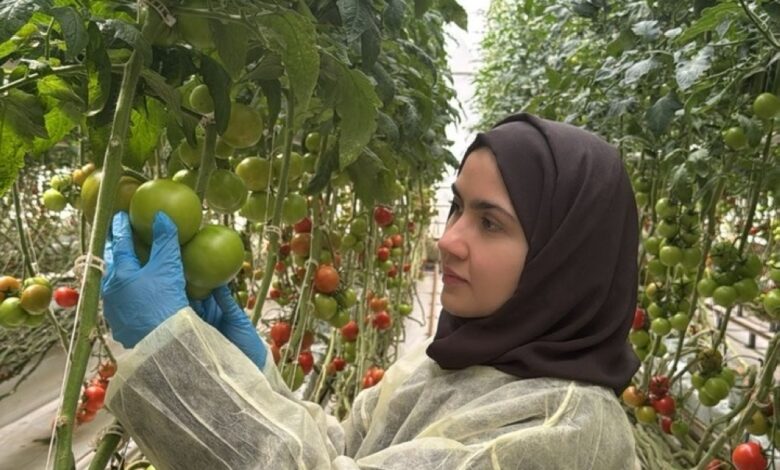
In a pioneering scientific achievement reflecting the advancement of scientific research in Saudi Arabia, Dr. Fatima Abdulhakim, a plant scientist at King Abdullah University of Science and Technology (KAUST), unveiled a groundbreaking scientific innovation that redefines plant immunity. This achievement culminated in her receiving the L'Oréal-UNESCO Award for Women in Science, highlighting the vital role Saudi women play in the global scientific landscape.
Global context: Food security and climate challenges
This discovery comes at a time when the world faces unprecedented challenges to food security, with international reports indicating that climate change and rising temperatures threaten to significantly reduce major agricultural crops in the coming decades. This underscores the importance of research focused on "crop engineering" to make crops more resilient to harsh conditions, an area in which Dr. Fatima has concentrated to provide sustainable solutions that go beyond traditional methods.
The "molecular switch" mechanism: a double line of defense
The new scientific discovery centers on identifying a precise protein that acts as a smart "molecular switch" within plant cells. The researcher explained that this protein possesses a remarkable ability to sense danger, performing two vital functions to ensure plant survival:
- Combating diseases: As soon as it senses the presence of harmful bacteria, the protein gives a signal to close the "plant stomata" (pores), preventing the infiltration of pathogens and forming an effective primary line of defense that eliminates the need for excessive use of pesticides.
- Heat challenge: The protein works in parallel with other elements to form what are called "stress granules," a defense mechanism that temporarily reduces unnecessary vital processes when temperatures rise, giving the plant the ability to withstand severe heat stress.
The economic and environmental impact of innovation
The importance of this research extends beyond the theoretical realm to encompass far-reaching economic and environmental implications. Developing self-reliant crops means reducing reliance on chemical pesticides that deplete soil and pollute groundwater, as well as saving farmers money. Furthermore, producing drought- and heat-tolerant varieties aligns perfectly with the climate of the Middle East, thus enhancing the sustainability of the agricultural sector.
From ISEF to Global: A Journey of Inspiration
This achievement was not a coincidence, but rather the culmination of a long journey that began at the age of fifteen when Dr. Fatima represented the Kingdom at the ISEF International Science and Engineering Fair. The researcher affirms that her specialization, which combines biology and engineering, gave her a holistic perspective that enabled her to overcome the obstacles of scientific research, which demands patience and meticulous precision.
Supporting Vision 2030 and empowering women
Dr. Fatima concluded her remarks with an inspiring message to Saudi girls, urging them to invest in lifelong learning and cultivate self-confidence. She noted that this achievement aligns with the goals of Saudi Vision 2030, which prioritizes research and innovation as cornerstones for achieving self-sufficiency and building a sustainable knowledge-based economy. She emphasized that empowering scientists is the optimal path to a secure agricultural future.