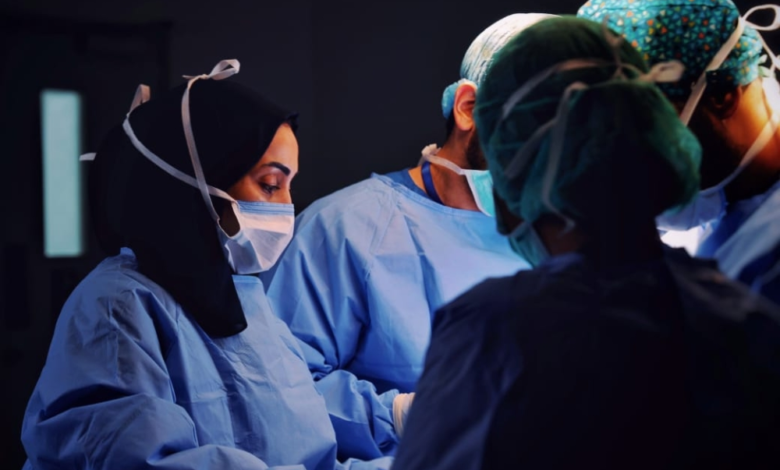

سجل القطاع الصحي في المملكة العربية السعودية إنجازاً طبياً جديداً يضاف إلى سجل المكتسبات الوطنية، حيث أعلن مركز صحة القلب في مدينة الملك سعود الطبية عن تحقيق قفزة نوعية غير مسبوقة في مؤشرات الأداء خلال العام الماضي 2025م. وتمثلت هذه القفزة في نمو العمليات الجراحية بنسبة تجاوزت 96%، بالتوازي مع تحقيق أرقام تنافسية عالمية في سرعة الاستجابة للحالات الطارئة.
تحول استراتيجي يواكب رؤية 2030
لا تعكس هذه الأرقام مجرد زيادة في الكم، بل تشير إلى تحول استراتيجي في كفاءة المنظومة الصحية داخل تجمع الرياض الصحي الأول. يأتي هذا التطور انسجاماً مع مستهدفات برنامج التحول الصحي ورؤية المملكة 2030، التي تركز على تسهيل الوصول للخدمات الصحية ورفع جودتها وكفاءتها. وقد نجحت المدينة الطبية في تعزيز مكانتها كمركز مرجعي للحالات الحرجة، مما يقلل الحاجة للإحالات الخارجية ويوطن العلاج التخصصي الدقيق.
الجاهزية التشغيلية: صفر إلغاء للعمليات
كشفت الإحصائيات الرسمية عن توسع هائل في القدرة التشغيلية للمركز، حيث ارتفعت نسبة جراحات القلب المنجزة بـ 96.7% مقارنة بالعام السابق. ومن اللافت للنظر في التقرير السنوي، نجاح الطواقم الطبية في تحقيق علامة الجودة الكاملة في الانضباط التشغيلي، مسجلة «صفر» حالة إلغاء لعمليات القلب المجدولة طوال العام. يعكس هذا الرقم دقة التنظيم الإداري والطبي، وجاهزية غرف العمليات، وتوفر الكوادر المؤهلة للتعامل مع ضغط العمل المتزايد دون التأثير على جودة الرعاية.
سباق مع الزمن: 80 دقيقة لإنقاذ القلب
في طب القلب الطارئ، تُعد الدقائق حاسمة في تحديد مصير المريض، حيث يُعرف طبياً أن “الوقت هو عضلة القلب”. وفي هذا السياق، حقق المركز رقماً تنافسياً عالمياً بمتوسط 80 دقيقة فقط تفصل بين وصول مريض الجلطة القلبية إلى باب الطوارئ وإجراء القسطرة العاجلة له (Door-to-Balloon time). يُعد هذا التوقيت إنجازاً كبيراً مقارنة بالمعايير الدولية التي توصي عادةً بـ 90 دقيقة، مما يساهم بشكل مباشر في تقليل مضاعفات تلف عضلة القلب وخفض نسب الوفيات والعجز المستديم.
أرقام تعكس حجم الإنجاز
بلغ إجمالي التدخلات الطبية في المركز أكثر من 8,143 إجراءً قلبياً متنوعاً، مما يبرز حجم الثقة والقدرة الاستيعابية للمدينة. وشملت هذه الإجراءات:
- 872 قسطرة طارئة: لإنقاذ الحياة والتعامل مع الجلطات الحادة.
- 3000 قسطرة علاجية: تكللت بالنجاح بنسبة متميزة بلغت 96.3%.
- 14,400 فحص إيكو: مما عزز القدرات التشخيصية للكشف المبكر عن الاعتلالات ووضع الخطط العلاجية الاستباقية.
تؤكد هذه المنجزات الرقمية والنوعية أن مدينة الملك سعود الطبية تسير بخطى ثابتة نحو الريادة الإقليمية في طب وجراحة القلب، مقدمة نموذجاً يحتذى به في الالتزام بالمعايير العالمية ورعاية المرضى.