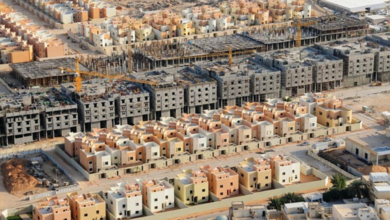
The National Housing Company (NHC), a leading real estate developer in the Kingdom of Saudi Arabia, has achieved another international milestone, adding to its impressive track record, by winning three prestigious awards in the “Excellence” category at the 2024 International Safety Awards, presented by the British Safety Council. This recognition acknowledges its unwavering commitment to implementing the highest occupational health and safety standards across three of its flagship residential projects: Al Fursan in Riyadh, Al Sadan in Jeddah, and Lazurd in Al Khobar.
This win is a global testament to NHC’s project management approach, which prioritizes human safety and a high-quality work environment. The International Safety Award, organized by the British Safety Council for over 60 years, is one of the most prestigious awards in the field worldwide, recognizing organizations that demonstrate an exceptional commitment to preventing work-related injuries and illnesses. The “Outstanding” rating is the highest level of recognition and is awarded only to projects that demonstrate performance significantly exceeding the required standards.
General context and NHC's role in Vision 2030
The National Housing Company (NHC) was established as the investment arm of the Ministry of Municipal and Rural Affairs and Housing, and plays a pivotal role in achieving the objectives of the Housing Program, one of the most important programs of the Kingdom's Vision 2030. The company aims to increase the supply of residential real estate and provide innovative and sustainable housing solutions for citizens, thereby contributing to raising the rate of homeownership. NHC's adoption of global best practices in safety not only enhances the quality of its projects but also reinforces the Kingdom's image as a safe and reliable investment environment in the rapidly growing construction sector.
The importance of the achievement and its expected impact
Domestically, this achievement reinforces customer and investor confidence in NHC projects and underscores that quality and safety are integral to its operations. It also sets a new benchmark for safety in the Saudi real estate development sector and encourages other developers to adopt similar practices, thereby raising safety standards at construction sites across the Kingdom. Regionally and internationally, this recognition positions the National Housing Company among the world's leading real estate developers and reflects the significant progress the Saudi construction sector is making in adhering to international standards. This success stems from the implementation of advanced operational methodologies based on proactive prevention, highly efficient risk management, and the development of a corporate culture that fosters awareness and responsibility among all teams. This has directly translated into improved execution quality and enhanced compliance across all project sites.