
شهدت الساحة السياسية في القارة الأمريكية تصعيداً كلامياً حاداً بين الرئيس الكوبي ميغيل دياز كانيل والرئيس الأمريكي دونالد ترامب، وذلك على خلفية انعقاد قمة "درع الأمريكتين" في ولاية فلوريدا. وقد أثارت هذه القمة، التي جمعت حلفاء واشنطن في أمريكا اللاتينية، ردود فعل غاضبة من هافانا، معيدةً إلى الأذهان أجواء الحرب الباردة والتوترات التاريخية بين البلدين.
ترامب يتوعد: كوبا تعيش لحظاتها الأخيرة
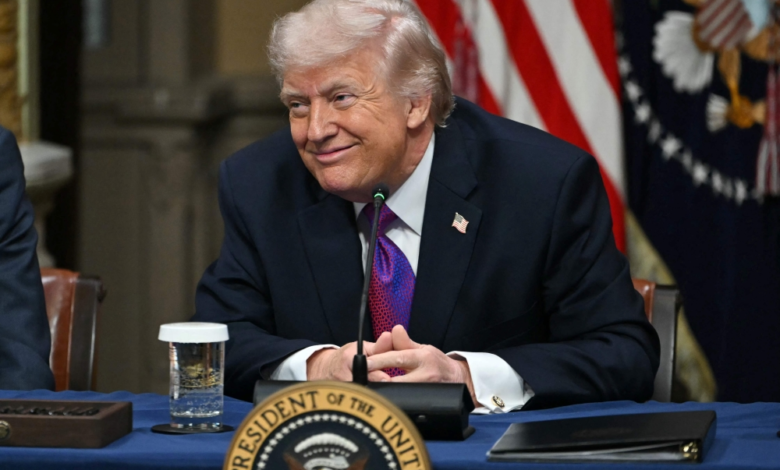
في تصريحات نارية خلال القمة التي عقدت في معقله بفلوريدا، اعتبر دونالد ترامب أن النظام في كوبا "يعيش لحظاته الأخيرة"، متوقعاً حدوث "تغيير كبير" في الجزيرة الشيوعية قريباً. ولم يكتفِ ترامب بذلك، بل ألمح إلى نيته التدخل المباشر في الملف الكوبي قائلاً: "سأهتم بكوبا"، مشيراً إلى احتمالية إجراء مفاوضات تهدف للتوصل إلى اتفاق جديد، وهو ما يعكس رغبة الإدارة الأمريكية في إعادة تشكيل الخارطة السياسية للمنطقة وفق رؤيتها.
دياز كانيل يرد: هذا استعمار جديد
من جانبه، لم يتأخر الرئيس الكوبي ميغيل دياز كانيل في الرد، حيث شن هجوماً عنيفاً عبر منصة "إكس"، واصفاً القمة بأنها "قمة صغيرة رجعية". واعتبر دياز كانيل أن الاجتماع يمثل شكلاً صارخاً من أشكال "الاستعمار الجديد"، متهماً الولايات المتحدة بمحاولة فرض هيمنتها على دول أمريكا اللاتينية من خلال حكومات يمينية موالية لها.
وأشار الرئيس الكوبي إلى أن واشنطن تحاول إلزام الدول المشاركة بقبول "الاستخدام المميت للقوة العسكرية الأمريكية" لحل المشكلات الداخلية، وهو ما اعتبره انتهاكاً للسيادة الوطنية وذريعة للتدخل في شؤون الدول تحت مسمى ضمان النظام والهدوء.
أبعاد قمة "درع الأمريكتين" ودلالاتها
تكتسب هذه القمة أهمية استراتيجية كبرى، حيث يشارك فيها 12 رئيساً من دول أمريكا اللاتينية، مما يعكس انقساماً جيوسياسياً واضحاً في المنطقة. وتهدف القمة، التي أطلق عليها اسم "درع الأمريكتين"، إلى تعزيز المصالح الأمريكية ومواجهة النفوذ المتصاعد للقوى الدولية المنافسة، وتحديداً الصين، التي وسعت من شراكاتها الاقتصادية في الفناء الخلفي للولايات المتحدة.
ويرى مراقبون أن اختيار فلوريدا مكاناً للقمة يحمل دلالات رمزية وسياسية، نظراً لثقل الجالية الكوبية واللاتينية المعارضة للأنظمة اليسارية فيها. كما أن الخطاب القومي الذي يتبناه ترامب وحلفاؤه في القمة يشير إلى توجه نحو سياسات أكثر تشدداً تجاه الأنظمة الاشتراكية في المنطقة، مما ينذر بمرحلة جديدة من الاستقطاب السياسي والاقتصادي في النصف الغربي من الكرة الأرضية.
ويأتي هذا التصعيد في وقت تعاني فيه كوبا من أزمات اقتصادية خانقة، مما يجعل التهديدات الأمريكية والضغوط السياسية عاملاً مؤثراً قد يعيد تشكيل المشهد الداخلي في الجزيرة، وسط ترقب دولي لمآلات هذا الصراع المتجدد.