Aghsan Initiative in Al-Ahsa: Planting 5,000 trees and enhancing vegetation cover

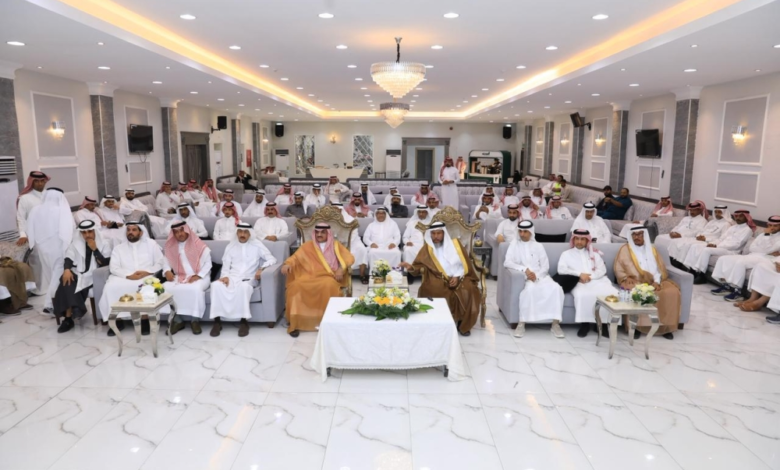
In a move that enhances Al-Ahsa Governorate’s status as a global oasis and supports quality of life goals, the Mayor of Al-Ahsa, Engineer Essam bin Abdul Latif Al-Mulla, launched the second phase of the “Branches” initiative, which aims to plant 5,000 new trees, in conjunction with the signing of a package of quality agreements that aim to enhance community partnership and develop the urban landscape in the region.
Details of the second phase and strategic partnerships
The launch event witnessed the signing of five significant development agreements, reflecting the Secretariat's commitment to implementing the highest quality standards. These agreements included three contracts with specialized engineering firms for technical supervision and ensuring the sustainability of the projects, as well as cooperation agreements with educational and media institutions aimed at raising environmental awareness among residents and fostering a culture of volunteerism.
The “Enmaa” Society for Community Services, the strategic partner in the initiative, launched a broad field campaign targeting vital sites to increase green spaces, in the presence of a select group of community leaders and secretariat leaders, reflecting the cohesion of official and community efforts.
National context: Al-Ahsa and the Saudi Green Initiative
This initiative comes within a broader national context, aligning with the "Saudi Green Initiative" and the Kingdom's Vision 2030, which places environmental protection and development at the heart of its priorities. These efforts in Al-Ahsa are particularly significant, given that the governorate is a UNESCO World Heritage Site and the world's largest palm oasis. Preserving and developing its agricultural identity is not merely about beautifying the city; it is an environmental and historical imperative for safeguarding this global heritage.
Through these initiatives, the Secretariat seeks to combat desertification and sand encroachment that threaten urban areas, in addition to reducing temperatures and improving air quality. These goals directly contribute to the "Humanizing Cities" program, which aims to make Saudi cities more livable and human-friendly.
Field implementation and visual landscape improvement
The project moved from planning to direct field implementation, with Engineer Essam Al-Mulla planting the first saplings to inaugurate the landscaping of the vital road separating the Al-Khuzama and Al-Nakheel neighborhoods and leading to King Abdullah City for Dates. This location is of strategic importance as it connects residential areas with a prominent economic landmark, serving as a prime example of how to enhance the visual landscape of arterial roads.
The Secretary also inspected the association’s headquarters in King Abdullah Date City, and reviewed the future operational plans aimed at institutionalizing environmental volunteer work, to ensure that these efforts are sustainable and not just temporary campaigns.
Expected impact: A new green lung
The 5,000 trees targeted for planting in this phase are expected to create a new green lung for the governorate, providing natural shade that will reduce heat emissions in residential areas. These steps underscore a qualitative shift in afforestation management, integrating the efforts of the non-profit sector with government support and private engineering expertise to achieve a sustainable urban environment befitting Al-Ahsa's historical and cultural significance.