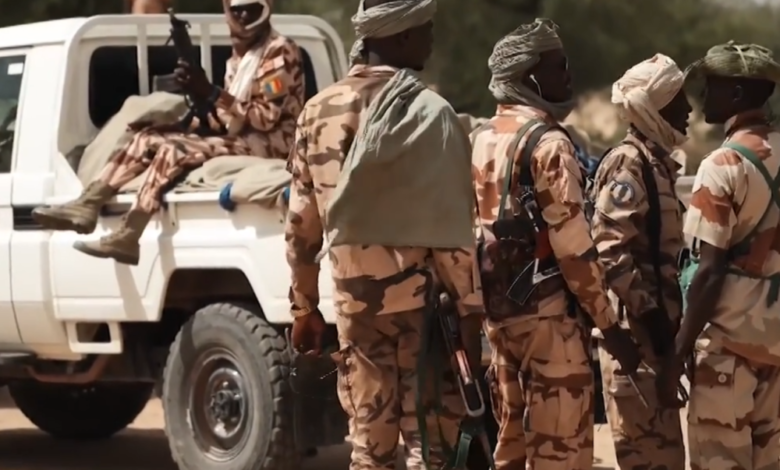

أعلنت الحكومة التشادية فرض حالة الطوارئ في إقليم البحيرة، الواقع غرب البلاد، وذلك في أعقاب هجومين إرهابيين استهدفا قوات الجيش وأسفرا عن مقتل 26 جنديًا على الأقل. ويأتي هذا الإجراء الأمني المشدد في محاولة لاستعادة السيطرة وردع الجماعات المسلحة التي تنشط في هذه المنطقة الحيوية والاستراتيجية.
تفاصيل الهجوم وإعلان الطوارئ
وفقًا لبيان رسمي صادر عن الحكومة، فإن حالة الطوارئ ستستمر لمدة عشرين يومًا، وتشمل إجراءات صارمة تهدف إلى تقييد حركة المسلحين وتسهيل العمليات العسكرية. صرح المتحدث باسم الحكومة، قاسم شريف، في كلمة بثها التلفزيون الرسمي، بأن الإجراءات تتضمن فرض حظر للتجول، وإغلاق الحدود البرية والبحرية للإقليم، ومنح السلطات صلاحيات واسعة لتوقيف المشتبه بهم ووضعهم رهن الحجز الاحتياطي. كما سيتم حظر حركة المركبات والدراجات النارية والزوارق السريعة في مناطق محددة لمنع الإرهابيين من استخدامها في شن هجمات جديدة.
السياق التاريخي للصراع في حوض بحيرة تشاد
لم يكن هذا الهجوم حادثًا معزولاً، بل يمثل حلقة جديدة في سلسلة طويلة من العنف الذي يعصف بمنطقة حوض بحيرة تشاد منذ أكثر من عقد. يُعتبر هذا الإقليم، الذي تتقاسمه تشاد مع نيجيريا والنيجر والكاميرون، معقلاً رئيسيًا لجماعة “بوكو حرام” وتنظيم “الدولة الإسلامية في غرب إفريقيا” (ISWAP). تستغل هذه الجماعات الطبيعة الجغرافية المعقدة للمنطقة، التي تتميز بوجود جزر ومستنقعات، للاختباء وتدريب عناصرها وشن هجمات عبر الحدود. وقد أدى الصراع المستمر إلى أزمة إنسانية كارثية، حيث نزح الملايين من السكان وتوقفت سبل العيش الأساسية مثل الزراعة وصيد الأسماك.
الأهمية الاستراتيجية والتأثيرات المتوقعة
يحمل إعلان حالة الطوارئ دلالات مهمة على الصعيدين المحلي والإقليمي. محليًا، يعكس القرار حجم التهديد الذي تواجهه القوات التشادية ويعطيها غطاءً قانونيًا لتكثيف عملياتها العسكرية. لكنه في المقابل قد يؤثر سلبًا على حياة المدنيين الذين يعتمدون على حرية الحركة في تجارتهم وأنشطتهم اليومية.
إقليميًا، تُعد تشاد لاعبًا محوريًا في الحرب على الإرهاب في منطقة الساحل، وتشارك بفعالية في “القوة المشتركة متعددة الجنسيات” (MNJTF) التي تهدف إلى محاربة الجماعات المتطرفة في حوض البحيرة. أي تدهور أمني في تشاد يهدد بزعزعة استقرار المنطقة بأكملها، ويسلط الضوء على التحديات المستمرة التي تواجه الجهود الإقليمية والدولية لإحلال السلام. ويؤكد هذا الهجوم مجددًا على ضرورة تعزيز التعاون الأمني بين دول الحوض ومعالجة الأسباب الجذرية للتطرف، مثل الفقر والتهميش وتداعيات التغير المناخي التي أدت إلى انكماش مساحة بحيرة تشاد.