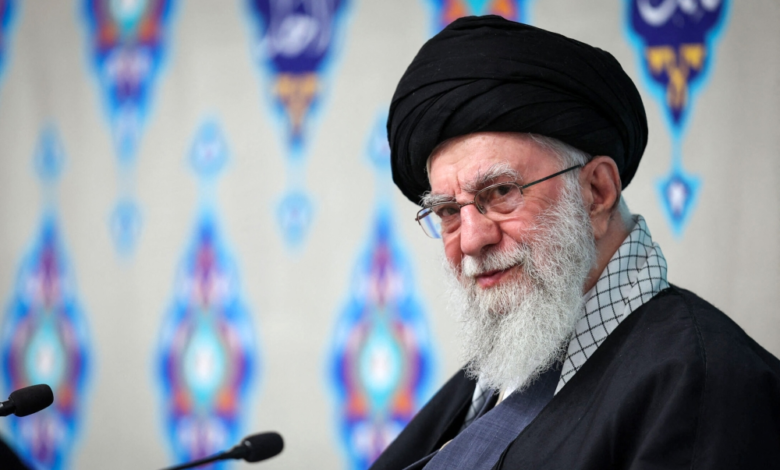
Iran postpones Khamenei's funeral: logistical reasons and security tensions

In a significant development amid the rapidly unfolding events in Tehran, Iranian authorities have decided to postpone the official funeral ceremonies for Supreme Leader Ali Khamenei, which were scheduled to take place Wednesday evening in the capital. This decision comes against a backdrop of extremely complex security conditions, as the country is experiencing a series of intense airstrikes, adding immense challenges to organizing an event of this scale.
Reasons for postponement: Millions of people expected and logistical challenges
Officials in Tehran confirmed that the decision to postpone the funeral was not solely due to the deteriorating security situation, but also stemmed from pressing logistical needs. Mohsen Mahmoudi, head of the committee organizing the funeral, stated in a televised address that the postponement was "due to the overwhelming number of invitations from across the country and the expectation of millions of participants." He emphasized the critical need to provide the necessary infrastructure to accommodate this massive gathering, ensuring the safety of the attendees and the conduct of the ceremony in a manner befitting the Supreme Leader's stature.
The initial plan was to hold a memorial service on Wednesday evening, followed by the transfer of the body to Mashhad, Khamenei's birthplace in the northeast of the country, for burial. Mashhad is a major religious center, home to the shrine of Imam Reza, making it a holy destination for millions of pilgrims annually, which adds to the logistical challenges of the burial.
The regional context and the tense security situation
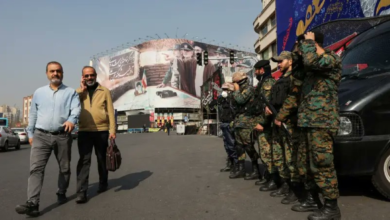
This event comes at a highly critical time for the Islamic Republic and the region as a whole. Since Saturday, the capital, Tehran, and other strategic locations have been subjected to Israeli and American airstrikes targeting military installations and government centers. This unprecedented military escalation presents the state apparatus with a difficult challenge in balancing the security of the funeral processions with the protection of airspace and vital infrastructure.
The departure of the Supreme Leader, who led the country for decades, carries significant implications for the domestic political landscape and regional balances. The position of Supreme Leader, as enshrined in the Iranian constitution, represents the highest authority in the state, wielding ultimate power in foreign and military policy, in addition to commanding the armed forces. Therefore, the vacancy of this position amidst an ongoing war raises serious questions about the upcoming political transition.
The mechanism of power transfer and its historical significance
Historically, Iran faced similar challenges upon the death of the republic's founder, Ruhollah Khomeini, in 1989. According to the Iranian constitution, the Assembly of Experts is responsible for selecting the new Supreme Leader. Attention is now focused on this assembly and how it will manage the leadership vacuum amidst external threats.
The expected crowds at the funeral are reminiscent of the funerals of prominent figures in modern Iranian history, which often transform into popular referendums and political messages directed both domestically and internationally. Therefore, postponing the ceremony grants the authorities additional time to manage the internal situation and ensure the final image of the funeral serves to bolster national unity in the face of current external challenges.