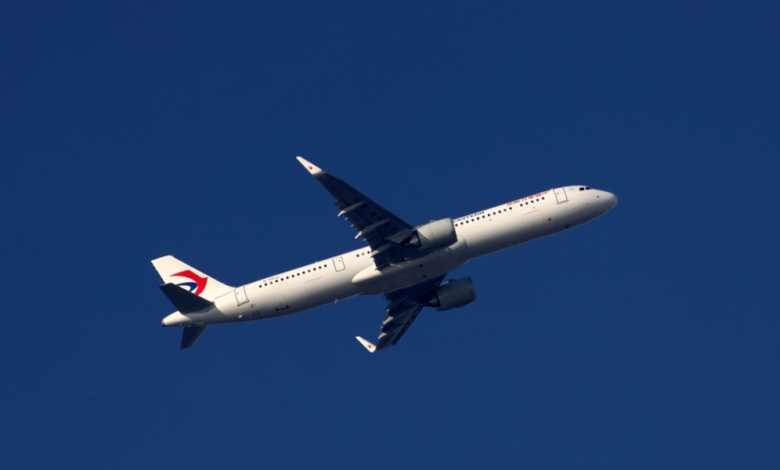

في خطوة مفاجئة أثارت تساؤلات واسعة على الساحة الدولية، أقدمت السلطات الصينية على فرض حظر الطيران المدني في الصين، وتحديداً في منطقة جغرافية شاسعة تقع قبالة سواحل مدينة شنغهاي الاستراتيجية. يمتد هذا الحظر لفترة غير مسبوقة تصل إلى 40 يوماً، مما يضع حركة الملاحة الجوية العالمية أمام تحديات لوجستية وأمنية جديدة.
تفاصيل قرار حظر الطيران المدني
وفقاً لإشعار رسمي وجهته هيئة الطيران الفيدرالية الأمريكية (FAA) إلى الطيارين وشركات الطيران، تم إغلاق جزء واسع من المجال الجوي الصيني دون تقديم أي أسباب أو مبررات رسمية من قبل بكين. وقد نُشر هذا الإشعار الملاحي على شبكة الإنترنت في 27 مارس في تمام الساعة 11:50 بتوقيت غرينتش، ودخل حيز التنفيذ الفعلي بعد بضع ساعات فقط من إصداره.
من المقرر أن يظل هذا الحظر سارياً حتى السادس من شهر مايو المقبل. ويشمل القرار خمس مناطق بحرية وجوية متجاورة تغطي مساحة إجمالية ضخمة تقدر بنحو 73 ألف كيلومتر مربع. وتكتسب هذه المنطقة حساسية بالغة نظراً لوقوعها على بعد بضع مئات من الكيلومترات فقط إلى الشمال من جزيرة تايوان، مما يفتح الباب أمام العديد من التكهنات السياسية والعسكرية.
استخدامات عسكرية محتملة وتصعيد صامت
حتى الثامن من أبريل، لم تقدم الحكومة الصينية أي تبرير رسمي يوضح أسباب هذا الإغلاق المفاجئ. وفي هذا السياق، صرح الخبير المتخصص في الأمن البحري، بنجامين بلاندين، بأنه لا يوجد مبرر منطقي أو سبب آخر محتمل لفرض هذا النوع من القيود الصارمة على المجال الجوي سوى الاستخدام العسكري البحت. وأضاف بلاندين أن هذه الخطوة قد تكون تمهيداً لإطلاق صواريخ باليستية أو إجراء تدريبات جوية وبحرية بالذخيرة الحية، مؤكداً أن غياب الشفافية يزيد من حالة الغموض.
من جانبه، أوضح باحث بارز في معهد تايوان للدفاع الوطني أن هذه هي المرة الأولى على الإطلاق التي تقوم فيها الصين بتقييد الوصول إلى مجالها الجوي بهذه الطريقة التي وصفها بأنها مفاجئة، وواسعة النطاق جغرافياً، ومطولة زمنياً، وغير محددة الأسباب، مما يعكس تحولاً في التكتيكات العسكرية الصينية في المنطقة.
السياق التاريخي والتوترات الجيوسياسية في المنطقة
لفهم أبعاد هذا القرار، يجب النظر إلى السياق العام والخلفية التاريخية للتوترات في منطقة بحر الصين الشرقي ومضيق تايوان. تعتبر هذه المنطقة واحدة من أكثر البؤر الجيوسياسية سخونة في العالم. تاريخياً، تستخدم بكين المناورات العسكرية وإغلاق المجالات الجوية والبحرية كرسائل ردع سياسية وعسكرية، خاصة في أوقات التوتر مع الولايات المتحدة الأمريكية أو عند حدوث تقارب دبلوماسي بين واشنطن وتايبيه. إن استعراض القوة في هذه المنطقة الحيوية يهدف إلى تأكيد السيادة الصينية وتوجيه تحذيرات شديدة اللهجة للأطراف الإقليمية.
أهمية الحدث وتأثيراته المتوقعة
يحمل قرار حظر الطيران المدني في هذه المنطقة الحيوية تداعيات واسعة النطاق على عدة مستويات:
- التأثير الاقتصادي والتجاري: تُعد مدينة شنغهاي مركزاً مالياً وتجارياً عالمياً، ومجالها الجوي من بين الأكثر ازدحاماً في العالم. إغلاق مساحة 73 ألف كيلومتر مربع يجبر شركات الطيران التجارية وطائرات الشحن على اتخاذ مسارات بديلة أطول، مما يؤدي إلى زيادة استهلاك الوقود، وارتفاع تكاليف التشغيل، وتأخير محتمل في سلاسل الإمداد العالمية.
- التأثير الإقليمي: يثير هذا الإجراء قلق دول الجوار، لا سيما اليابان وكوريا الجنوبية وتايوان، مما يدفع هذه الدول إلى رفع مستوى التأهب والمراقبة العسكرية تحسباً لأي تصعيد غير محسوب في بحر الصين الشرقي.
- التأثير الدولي: يعزز هذا الحدث من التواجد الاستخباراتي والعسكري الأمريكي في منطقة المحيط الهادئ لمراقبة التحركات الصينية، مما يزيد من احتمالات الاحتكاك بين القوتين العظميين.
في الختام، يبقى إغلاق المجال الجوي قبالة شنغهاي حدثاً استثنائياً يعكس عمق التوترات في شرق آسيا، ويؤكد على تداخل المصالح الاقتصادية العالمية مع الحسابات العسكرية المعقدة.