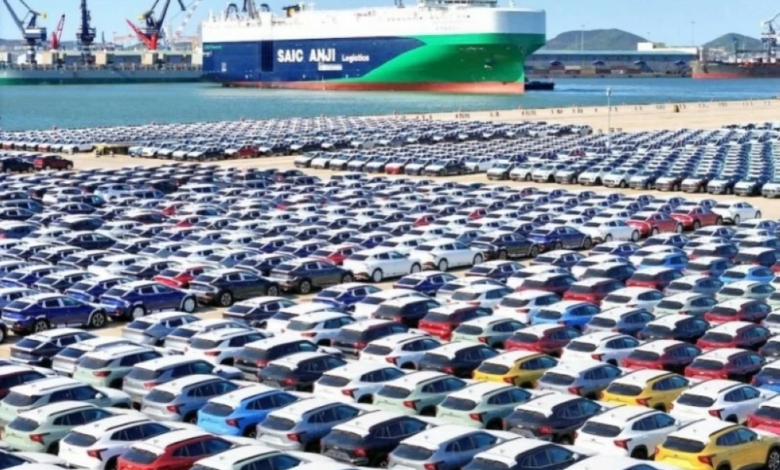

أعلنت الجهات الرقابية في الصين عن تطبيق قواعد تنظيمية جديدة وصارمة تحظر على شركات تصنيع السيارات بيع مركباتها بأسعار تقل عن «التكلفة الكاملة»، في خطوة حاسمة تهدف إلى كبح جماح حرب الأسعار الشرسة التي عصفت بأكبر سوق للسيارات في العالم على مدار العامين الماضيين. ويأتي هذا التحرك الحكومي ليعيد الاستقرار إلى قطاع حيوي يعاني من تقلبات حادة أثرت على هوامش الربح واستدامة الشركات.
تفاصيل القرار ومفهوم التكلفة الكاملة
وفقاً للتوجيهات الجديدة الصادرة عن الهيئة الصينية لتنظيم السوق، لم يعد مسموحاً للشركات الاعتماد على سياسات «الإغراق» أو البيع بخسارة متعمدة للاستحواذ على حصص سوقية. وأوضحت الهيئة أن مصطلح «التكلفة الكاملة» لا يقتصر فقط على تكاليف التصنيع المباشرة والمواد الخام، بل يمتد ليشمل المصاريف الإدارية، وتكاليف البحث والتطوير، ونفقات التسويق، وعمليات التوزيع. ويهدف هذا التعريف الشامل إلى سد الثغرات التي كانت تستغلها بعض الشركات الكبرى لتقديم خصومات غير منطقية تضر بالمنافسة العادلة.
خلفية حرب الأسعار: صراع البقاء
لفهم أهمية هذا القرار، يجب النظر إلى السياق التاريخي القريب؛ حيث شهد سوق السيارات الصيني، وتحديداً قطاع السيارات الكهربائية (EV)، منافسة دموية بدأت حدتها تتصاعد منذ مطلع عام 2023. قادت شركات كبرى مثل «تسلا» و«بي واي دي» (BYD) موجات متتالية من تخفيضات الأسعار، مما أجبر عشرات الشركات الناشئة والتقليدية على اللحاق بالركب وتخفيض أسعارها إلى مستويات أدت إلى تآكل الأرباح، وفي بعض الحالات، البيع بخسارة فادحة لضمان البقاء في السوق.
التأثير الاقتصادي المحلي والدولي
من المتوقع أن يكون لهذا القرار تداعيات واسعة النطاق. محلياً، سيؤدي منع البيع بأقل من التكلفة إلى حماية الشركات الصغيرة والمتوسطة من الإفلاس نتيجة عدم قدرتها على مجاراة العمالقة في حرق الأسعار. كما سيدفع الشركات للتركيز على الجودة والابتكار التكنولوجي بدلاً من المنافسة السعرية فقط.
أما على الصعيد الدولي، فقد يحمل القرار رسائل طمأنة للأسواق العالمية، وتحديداً الاتحاد الأوروبي والولايات المتحدة، اللذين أبديا قلقاً متزايداً بشأن «القدرة الإنتاجية الفائقة» للصين وتصدير السيارات بأسعار مدعومة بشكل غير عادل. فاستقرار الأسعار محلياً وارتفاعها لمستويات تغطي التكلفة قد يقلل من حدة الاتهامات الموجهة للصين بخصوص إغراق الأسواق العالمية بمركبات رخيصة، مما قد يخفف حدة التوترات التجارية الحالية.
مستقبل سوق السيارات الصيني
يرى المحللون الاقتصاديون أن هذه اللوائح ستعيد تشكيل خريطة المنافسة. فبدلاً من سباق القاع في الأسعار، ستضطر الشركات إلى إعادة تقييم استراتيجياتها المالية والتركيز على تقديم قيمة مضافة حقيقية للمستهلك. كما يتضمن القرار بنوداً تمنع التلاعب السعري بين المصنعين والموردين، وتحظر برامج الخصومات القسرية التي كانت تفرض على الوكلاء، مما يضمن بيئة تجارية أكثر صحة واستدامة على المدى الطويل.