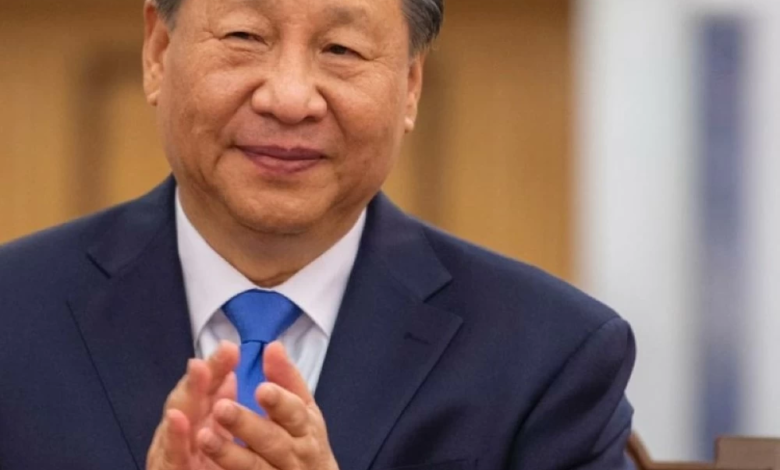

أعلن الرئيس الصيني شي جين بينغ، في خطوة استراتيجية تهدف إلى تعزيز العلاقات الاقتصادية بين بكين والقارة السمراء، أن قرار إلغاء الرسوم الجمركية على الواردات من جميع الدول الأفريقية سيدخل حيز التنفيذ اعتباراً من الأول من شهر مايو المقبل.
وجاء هذا الإعلان الهام خلال اجتماع شي جين بينغ مع قادة القارة في إثيوبيا، وذلك على هامش القمة السنوية للاتحاد الأفريقي. وأكد الرئيس الصيني في كلمته أن «اتفاقية الإعفاء من الرسوم الجمركية ستوفر بلا شك فرصاً جديدة للتنمية الأفريقية»، مشيراً إلى أن هذه الخطوة تعكس التزام الصين بدعم النمو الاقتصادي في الدول النامية وشراكتها الاستراتيجية مع أفريقيا.
توسيع نطاق الإعفاء الجمركي
تطبق الصين حالياً سياسة الإعفاء من الرسوم الجمركية على واردات 33 دولة أفريقية فقط، وهي السياسة التي ساهمت في زيادة تدفق البضائع الأفريقية إلى الأسواق الصينية خلال السنوات الماضية. إلا أن بكين، وفي إطار سعيها لتعميق التعاون، أعلنت عزمها توسيع نطاق هذه السياسة لتشمل جميع شركائها الدبلوماسيين في القارة البالغ عددهم 53 دولة. وبموجب هذا القرار الجديد، سيتم تطبيق الإعفاء الشامل من الرسوم على جميع هذه الدول ابتداءً من الأول من مايو، مما يفتح الباب واسعاً أمام المنتجات الأفريقية للمنافسة في أضخم سوق استهلاكي في العالم.
السياق الاقتصادي وحجم التبادل التجاري
تأتي هذه الخطوة في وقت تتربع فيه الصين على عرش الشركاء التجاريين لأفريقيا للعام الخامس عشر على التوالي. وتشير البيانات الاقتصادية إلى أن حجم التبادل التجاري بين الجانبين قد شهد نموًا هائلاً، حيث تجاوزت التجارة الثنائية مئات المليارات من الدولارات سنوياً. وتسعى الصين من خلال هذا القرار إلى معالجة الخلل في الميزان التجاري الذي يميل غالباً لصالحها، وذلك عبر تشجيع الدول الأفريقية على تصدير المزيد من المنتجات غير النفطية، وخاصة المنتجات الزراعية والسلع المصنعة، بدلاً من الاعتماد الكلي على تصدير المواد الخام والموارد الطبيعية.
الأبعاد الاستراتيجية والتأثير المتوقع
يحمل هذا القرار أبعاداً تتجاوز الجانب الاقتصادي المباشر؛ فهو يمثل رسالة سياسية قوية تؤكد على متانة العلاقات الصينية الأفريقية في ظل التنافس الدولي المتزايد على القارة. من المتوقع أن يساهم هذا الإعفاء في:
- دعم الاقتصادات المحلية: عبر فتح أسواق جديدة للمزارعين والمصنعين الأفارقة، مما يعزز من فرص العمل والدخل القومي.
- تعزيز مبادرة الحزام والطريق: حيث تعتبر أفريقيا شريكاً محورياً في هذه المبادرة الصينية العالمية، وتسهيل التجارة يعد ركيزة أساسية لنجاحها.
- تنويع الصادرات: تحفيز الدول الأفريقية على تطوير قطاعات إنتاجية جديدة تتوافق مع معايير السوق الصينية، مما يقلل من هشاشة الاقتصادات المعتمدة على سلعة واحدة.
ختاماً، يُعد هذا القرار نقلة نوعية في تاريخ العلاقات الاقتصادية بين الجانبين، ومن المنتظر أن تظهر نتائجه الإيجابية بوضوح في معدلات النمو الاقتصادي للدول الأفريقية خلال السنوات القليلة القادمة.