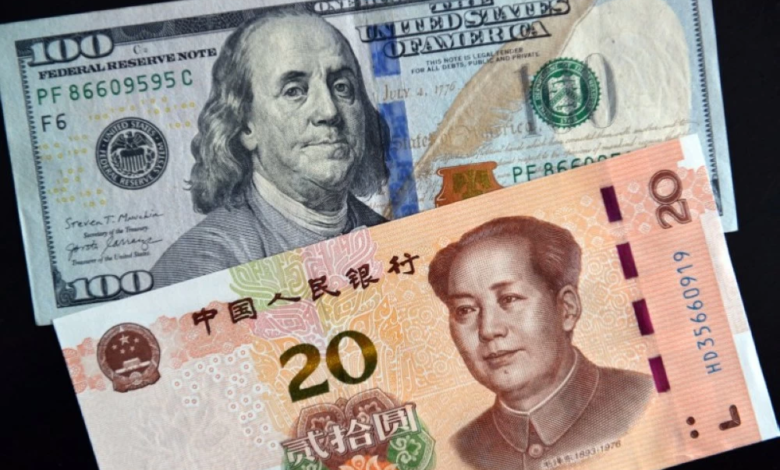
أعلنت مؤسسة تابعة لبنك الشعب الصيني (البنك المركزي)، المسؤولة عن إدارة نظام تداول العملات الأجنبية (CFETS)، عن إجراء تعديلات جوهرية في أوزان العملات الرئيسية المكونة لسلة تقييم اليوان الصيني. وتأتي هذه الخطوة كإجراء روتيني سنوي يهدف إلى مواءمة قيمة العملة الصينية مع المتغيرات الديناميكية في حركة التجارة الدولية.
ووفقاً للبيان الرسمي الصادر يوم الأربعاء، فإنه اعتباراً من مطلع يناير 2026، سيتم تطبيق خفض ملموس في أوزان عملات الاقتصادات الغربية الكبرى. حيث سيتم تقليص وزن الدولار الأمريكي واليورو، بالإضافة إلى الين الياباني والدولار الأسترالي. في المقابل، ستشهد سلة العملات زيادة في حصص عملات الشركاء التجاريين الآسيويين، مثل الدولار الهونج كونجي، والبات التايلندي، والوون الكوري الجنوبي، مما يعكس تحولاً في بوصلة التجارة الصينية.
تفاصيل الأرقام الجديدة
أوضحت البيانات التفصيلية أن وزن الدولار الأمريكي في السلة سينخفض من 18.903% إلى 18.307%. كما سيشهد اليورو تراجعاً طفيفاً لتصل حصته إلى 17.862% مقارنة بـ 17.902% سابقاً. تأتي هذه الأرقام تأكيداً لما تداولته وكالات إعلامية غربية متخصصة في الشأن الاقتصادي، وتشير بوضوح إلى استراتيجية بكين في تنويع سلة عملاتها.
دلالات التوقيت والسياق الاقتصادي
لا يمكن قراءة هذا القرار بمعزل عن السياق الاقتصادي العالمي؛ فتعديل أوزان سلة اليوان (CFETS RMB Index) يعتمد بشكل أساسي على حجم التبادل التجاري بين الصين وشركائها. انخفاض وزن الدولار واليورو يعني عملياً أن حصة الولايات المتحدة ومنطقة اليورو من إجمالي التجارة الخارجية للصين قد شهدت تراجعاً نسبياً مقارنة بنمو التجارة مع دول جنوب شرق آسيا (آسيان) ودول الجوار.
منذ إطلاق سلة العملات هذه في عام 2015، سعت الصين إلى فك الارتباط المباشر والجامد بين اليوان والدولار، مفضلة قياس قوة عملتها مقابل سلة متنوعة من العملات لضمان استقرار أكبر في مواجهة التقلبات الخارجية. ويعد هذا التعديل خطوة إضافية نحو تعزيز استقلالية السياسة النقدية الصينية.
التأثيرات المتوقعة ومستقبل اليوان
يحمل هذا التعديل دلالات استراتيجية تتجاوز مجرد الأرقام المحاسبية؛ فهو يعزز من طموحات الصين في تدويل عملتها (RMB Internationalization). من خلال زيادة وزن العملات الآسيوية، تؤكد الصين على دورها المحوري كقائد اقتصادي في المنطقة، وتقلل من انكشاف عملتها الوطنية على تقلبات السياسة النقدية للفيدرالي الأمريكي.
على الصعيد الدولي، قد يؤدي هذا التوجه التدريجي إلى تشجيع دول أخرى على تنويع احتياطياتها واستخدام عملات بديلة للدولار في التسويات التجارية، خاصة في ظل نمو التكتلات الاقتصادية الآسيوية. ورغم أن الدولار لا يزال المهيمن عالمياً، إلا أن هذه الخطوات الصغيرة والمتراكمة ترسم ملامح نظام مالي عالمي أكثر تعددية في المستقبل.