China imposes anti-dumping duties on European dairy products in retaliation against Europe

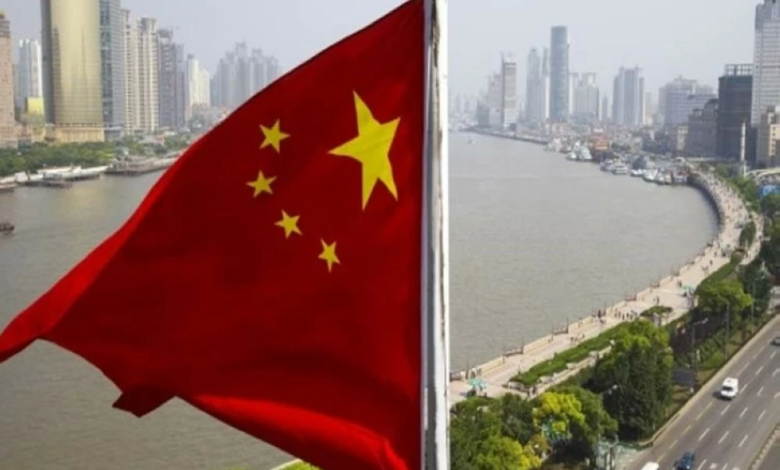
In a dangerous new escalation that threatens to worsen the trade war between the world's major economic powers, China's Ministry of Commerce officially announced provisional anti-dumping duties on specific dairy imports from the European Union. According to a statement released yesterday (Monday), these duties, which took effect today (Tuesday), reach up to 42.7%, a move widely seen as a direct retaliatory response to recent European policies.
Fee details and application mechanism
The Chinese government statement explained that the new tariff structure was designed based on the extent to which European companies cooperated with Chinese investigations. Companies that cooperated, such as some producers in Italy, France, and Denmark, will be subject to reduced tariffs ranging from 28.6% to 29.7%. Conversely, companies that refused to cooperate will face the maximum tariff penalty of 42.7%, while the minimum tariff was set at 21.9%. The list of targeted products includes fresh and processed cheese, cream, and condensed milk—goods that form the backbone of food exports for countries such as France, the Netherlands, and Spain.
Context of the conflict: Electric cars are the spark of the crisis
This decision cannot be viewed in isolation from the broader economic context. This Chinese move is a direct and calculated response to the European Union's decision to impose hefty tariffs on Chinese electric vehicles, which in some cases reached 45%. The roots of the crisis can be traced back to late 2023, when the European Commission launched a comprehensive investigation into government subsidies provided by Beijing to electric vehicle companies. The Commission argued that these subsidies were flooding European markets with unfair prices and harming domestic manufacturers, a claim China rejected, deeming it a form of trade protectionism.
The strategy of retaliation and targeting specific countries
An economic analysis of the Chinese decision reveals a carefully crafted strategy in its target selection. By targeting dairy products (following previous attacks on brandy and pork), Beijing is directly pressuring specific European countries, such as France and Spain, which were among the strongest proponents of tariffs on Chinese cars. A Chinese investigation launched in August 2024 concluded that European subsidies to the dairy sector had caused "substantial damage" to the Chinese domestic industry, thus providing legal cover for these measures.
Economic repercussions and the future of relations
The Chinese market is a lifeline for the European dairy sector, being the second-largest importer of these products after New Zealand, with imports reaching approximately $589 million in 2024 for the targeted products. Observers fear that this exchange of tariffs could escalate into a full-blown trade war, disrupting global supply chains and driving up prices for consumers on both sides, especially given Beijing's threats of retaliatory measures against other sectors in response to any further European escalation.