
China’s National Observatory renewed its blue alert to counter a wave of storms and strong winds, in a proactive move aimed at reducing the risks caused by weather fluctuations expected to sweep across large parts of the country in the coming hours.
Details of areas affected by the wind
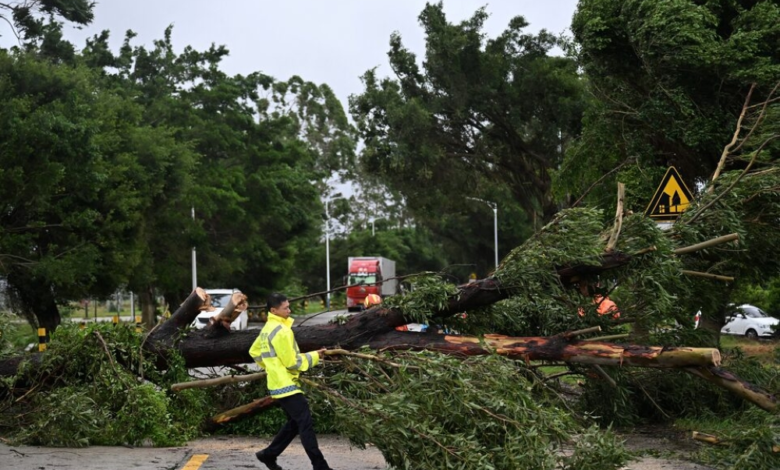
According to data from the National Meteorological Center, strong winds are expected from today until 8:00 PM tomorrow, Sunday. The areas most affected by this weather system include parts of Inner Mongolia , Shandong, Xicang (Tibet), and Qinghai. These warnings come at a time when these regions are experiencing seasonal fluctuations that require vigilance.
Navigational warnings in seas and straits
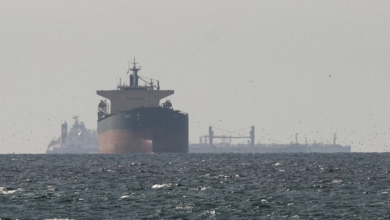
At sea, the low-pressure system's impact extends to vital waterways. Parts of the Yellow Sea , the East China Sea, the Taiwan Strait, the Bashi Channel, and the South China Sea will experience strong winds and rough seas during this period. These waterways are major arteries for trade and transportation, making these warnings extremely important.
Safety and prevention measures
In light of these forecasts, Chinese authorities urged all ships and fishing boats to exercise extreme caution while at sea, or return to port if necessary, and to avoid maritime operations in storm-affected areas. They also urged relevant local departments to implement strict preventative measures, prioritizing fire prevention due to strong winds, and to enhance land and air transport security to ensure the safety of citizens and property.
The Chinese alarm system and its implications
It is worth noting that China employs a sophisticated severe weather warning system, comprised of four color-coded levels to ensure a rapid response. Red the most severe level, followed by orange, then yellow, and finally blue . Although blue is the lowest level of warning, it still requires preparedness and vigilance, reflecting the Chinese authorities' commitment to public safety standards and minimizing the economic and human losses that may result from natural disasters.
Geographical and economic context
These warnings are particularly important given China's geography and its long coastline. Any disruption in the South China Sea or adjacent straits could directly impact regional and international supply chains and shipping. Therefore, early detection and warnings are integral to China's strategy for managing natural disasters and maintaining the stability of economic activities in both coastal and inland areas.